
New Type Organic Fertilizer Granulator
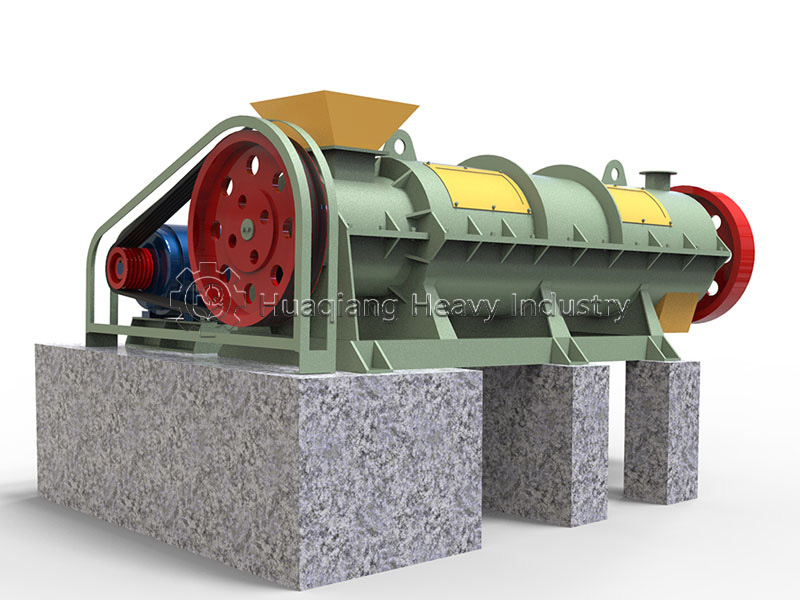
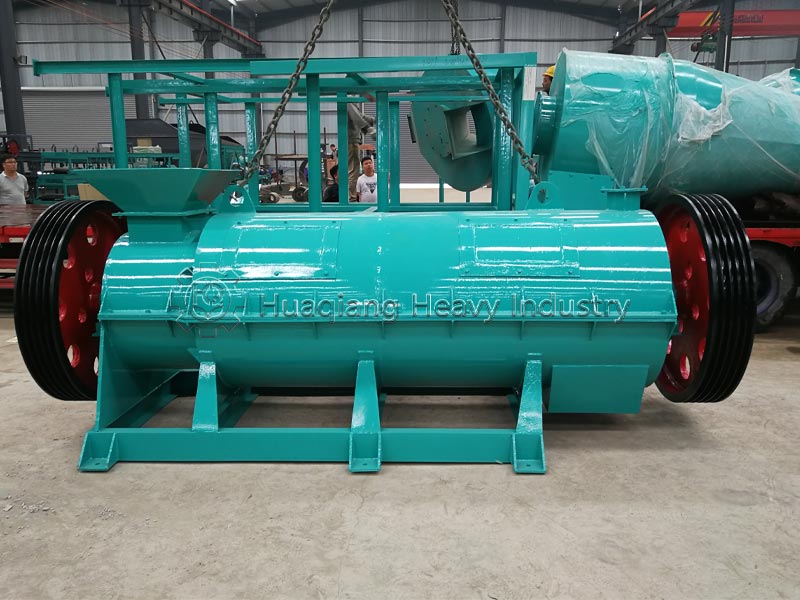
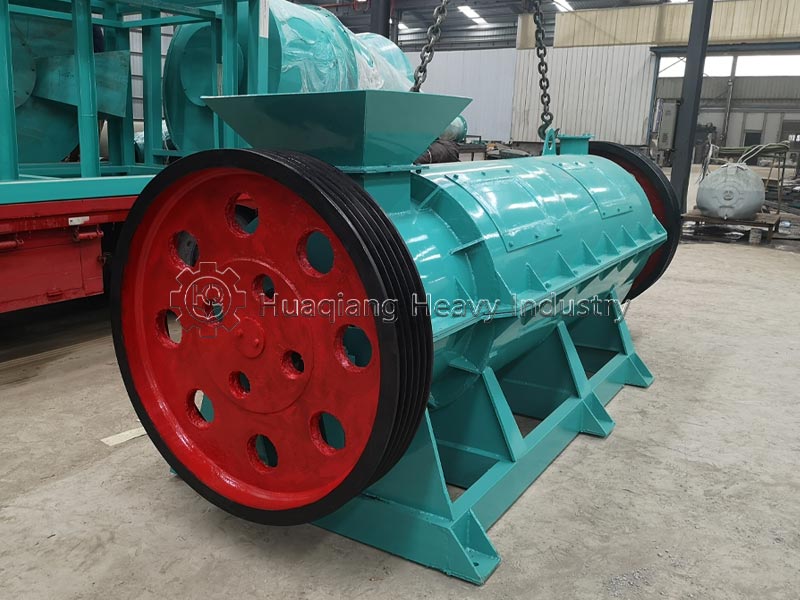
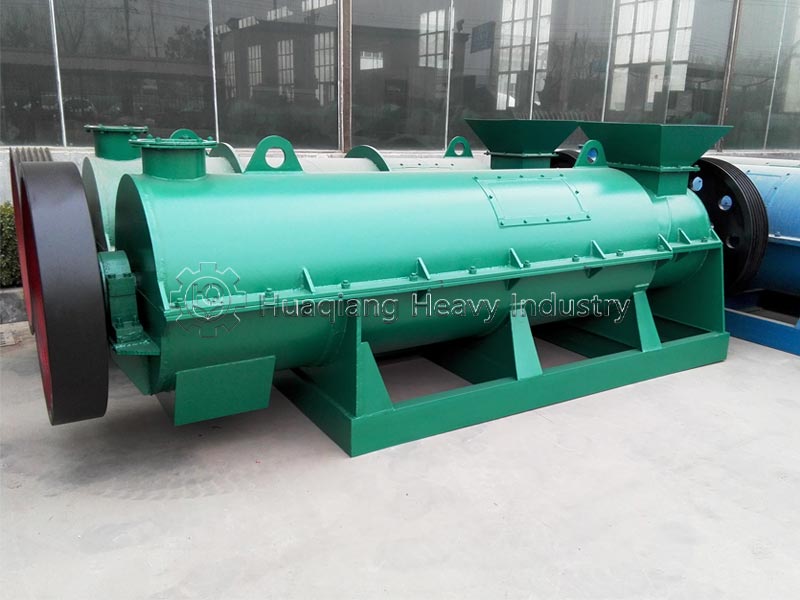
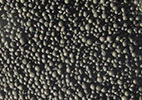
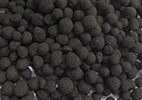
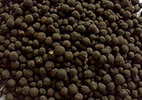
The new type organic fertilizer granulator operates by using high-speed rotating mixing teeth to toss powdered material into the air while spraying a small amount of water, allowing the material to naturally roll into spherical granules. Its structural design is straightforward: a vertical cylinder houses a toothed rotating disc. As the disc spins, material is flung upward to form a “curtain” of material within the cylinder; upon contact with the spray, the powder becomes moist and adhesive, rolling together to form spheres. The entire process is clearly visible and tangible—granules continuously spill from the discharge outlet, allowing operators to instantly assess their quality. The machine is versatile regarding raw materials; it handles high-fiber, high-moisture inputs—such as fermented chicken, sheep, and cattle manure—without clogging or sticking, ensuring smooth material flow. Daily operation simply requires managing three parameters: feed rate, water spray volume, and rotation speed; once properly calibrated, the machine requires minimal ongoing attention.
Working Principle of New Type Organic Fertilizer Granulator
The operation of the new type organic fertilizer granulator can be summarized as “tossing, wetting, tumbling, and granulating.” Powdered material enters from the top of the cylinder and lands on a high-speed rotating disc equipped with mixing teeth. These teeth fling the material outward along the circumference at high linear speeds, creating a dense, rotating curtain of material within the cylinder. An annular spray pipe mounted above the curtain evenly sprays atomized water or a liquid binder, wetting the surface of each powder particle as it passes through the spray zone. This wetting creates a liquid film on the particle surfaces; when particles collide and make contact, the surface tension of the liquid film binds them together, forming tiny “seed granules” (nuclei) roughly the size of millet grains. These seed granules continue to circulate within the cylinder, repeatedly tossed by the disc and tumbling down the cylinder walls. With each pass through the spray zone, they receive additional moisture, and with each contact with dry powder, they accumulate new layers, causing the particle size to grow progressively. Once the granules reach a certain size and weight, centrifugal force flings them against the upper section of the cylinder wall, where they spill out through the discharge outlet, completing the granulation process.
Operation Method for New Type Organic Fertilizer Granulator
Pre-start inspection: Check the mixing disc for any hardened material clumps left over from the previous shutdown and remove them if present. Check if the spray nozzles on the spray pipe are clear; if any are clogged, clear them with a fine needle. Verify that the gearbox oil level is adequate and check for any loose fastening bolts. Once confirmed, start the mixing disc while the machine is empty and listen to ensure the operation is smooth.
Feeding and commissioning stage. Start the mixing disc and set it to medium speed, then begin feeding a small amount of material while activating the spray system at a low flow rate. Observe the state of the material inside the drum: if the material is too dry—causing powder to fly about without binding—increase the water spray volume; if the material is too wet—causing it to clump against the drum wall without tumbling—decrease the water spray volume or increase the rotation speed.
Stable operation stage. Operators should periodically inspect the appearance of the granules at the discharge outlet to ensure uniform size and roundness. Listen for any abnormal sounds from the mixing mechanism and check the motor and gearbox temperatures. Every one to two hours, verify that the spray nozzles remain clear and check for any changes in spray volume.
Shutdown sequence. Stop the feed first, allowing the remaining material in the drum to be processed into granules and discharged. Once granules stop exiting the outlet, turn off the spray system, and finally, stop the mixing disc. If the machine will be idle for an extended period, open the drum to clean off any wet material adhering to the inner walls and mixing disc to prevent it from hardening and causing difficulties during the next startup.
Solutions to Equipment Issues
Granules fail to form spheres; excessive powder. This is usually due to insufficient water spray or poor material adhesiveness. Increase the water spray volume appropriately until the material reaches a consistency where it holds together when squeezed by hand. If the material lacks sufficient binding properties—such as when granulating pure straw powder—add 10%–20% fermented manure or a small amount of bentonite to the mixture to improve cohesion.
Inconsistent granule size. This is typically caused by uneven water spraying or fluctuating feed rates. Check that all nozzles are clear and that the water mist evenly covers the curtain of falling material. Ensure the feeder delivers material at a steady rate rather than in inconsistent surges. Localized material buildup or crusting on the drum’s inner wall disrupts the material’s normal movement trajectory and requires regular cleaning.
Severe material adhesion to the drum wall. This indicates excessive water spraying. Immediately reduce the water spray volume and check for nozzles with poor atomization—specifically, ensure the output is a fine mist rather than a solid stream of water. Additionally, if the raw material’s initial moisture content is already high, the spray volume must be strictly controlled.
Discharge outlet blockage or poor discharge flow. This is usually caused by oversized granules or material accumulation at the outlet. Increase the mixing paddle speed to reduce granule size, allowing them to spill out faster and prevent buildup. Ensure the discharge chute has a sufficient incline so material slides down naturally without getting stuck.
Investment Costs for New Type Organic Fertilizer Granulator
Equipment purchase cost. For the same production capacity, the price of the new type organic fertilizer granulator is slightly higher than that of a disc granulator. However, the total investment for a complete setup—such as the YZL model (producing approximately 2 tons per hour) equipped with a feeder and a simple screening machine—falls within an acceptable range for small-scale processors.
Auxiliary equipment requirements are relatively simple. No steam boiler or large-scale dryer is needed; the extruded granules have a moisture content of about 30%–35% and can be air-dried or processed in a simple hot-air drying oven. Auxiliary equipment consists mainly of a screw feeder, discharge conveyor belt, and rotary screen, requiring minimal investment.
Operating costs. These consist primarily of electricity and minor water expenses; the main unit has low power consumption, and water usage for spraying is limited, resulting in low direct costs per ton of processed granules. The main wear parts are the mixing paddle rods, which are durable under normal use and inexpensive to replace. The equipment features a simple structure without high-precision mating surfaces; routine maintenance involves adding lubricant, cleaning nozzles, and periodically checking the gearbox oil, resulting in low maintenance costs.
New Type Organic Fertilizer Granulator Parameters
| Model | Capacity (t/h) | Output Granules Size (mm) | Motor Power (Kw) | Outside Dimension (mm) |
| YSL-60 | 1-2 | 1-5 | 37 | 3700*1800*1050 |
| YSL-80 | 2-4 | 1-5 | 45 | 3700*2100*1300 |
| YSL-100 | 3-5 | 1-5 | 55 | 3750*2500*1500 |
| YSL-120 | 4-7 | 1-5 | 75 | 4900*2950*1900 |
| YSL-150 | 5-8 | 1-5 | 90 | 5000*3300*2150 |
Have Any Problem? Please, Contact
Integrity
Adhere to honesty and trustworthiness, be responsible to customers, employees, partners, and society, and establish long-term trust relationships.
Win win
Establish win-win relationships with all stakeholders such as customers, suppliers, and employees to share the fruits of enterprise development.