

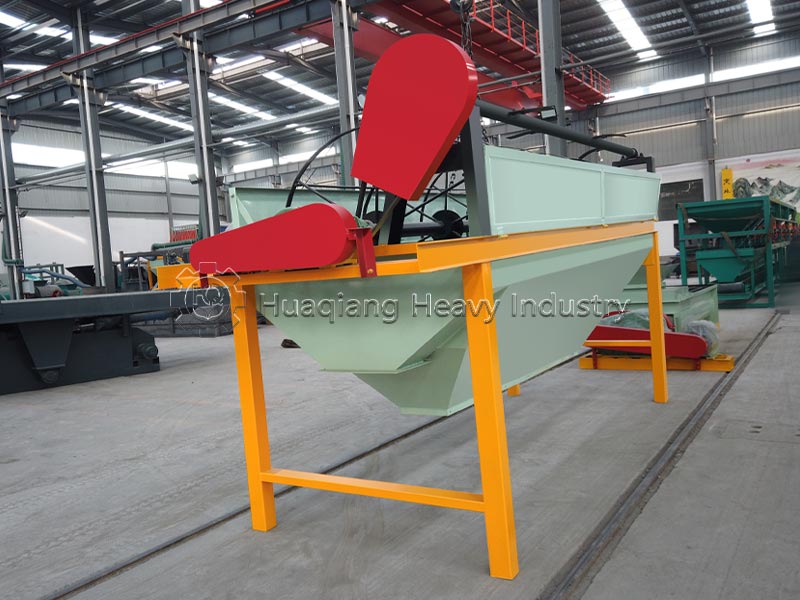
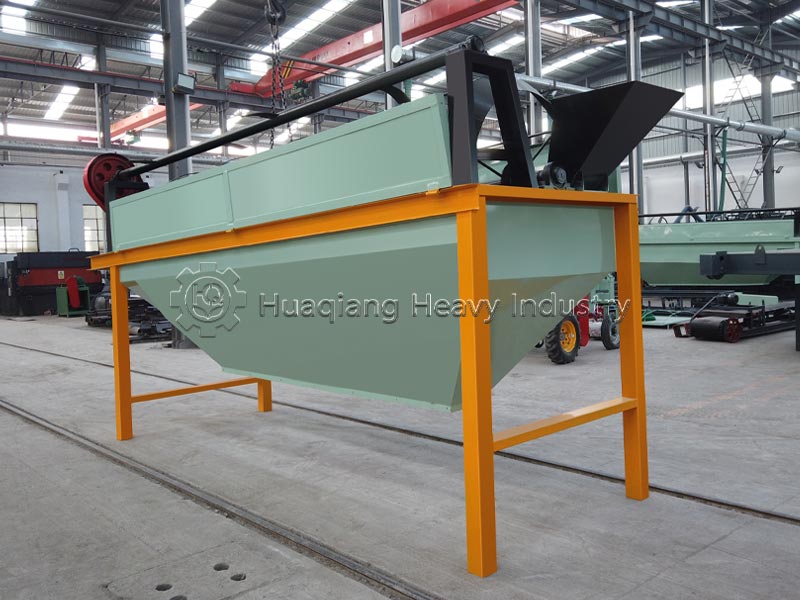
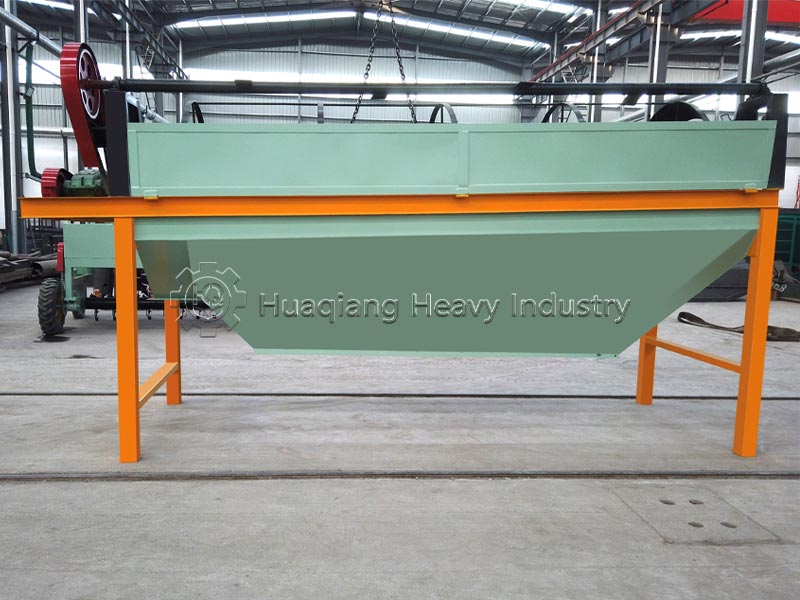
Rotary Screener Machine
The rotary screening machine is widely used in the screening stage of the fertilizer industry due to its durability and ease of maintenance. The screen drum is the core component; manufactured from perforated steel plate or wear-resistant woven mesh, it offers a long service life under normal operating conditions. The drum rotates at a low speed, ensuring smooth stress distribution on components, minimal machine vibration, and reduced wear on bearings and transmission parts. The equipment features excellent sealing; when equipped with a dust cover, it prevents dust leakage, maintaining a clean working environment. For fertilizer enterprises, the rotary screen is a reliable piece of equipment capable of stable, long-term operation with minimal maintenance requirements.
Working Principle
Upon entering the rotating screen drum, material rolls and tumbles along with the drum body. The apertures on the inner wall of the drum effectively classify the material: fine particles pass through the holes (undersize material), while coarse particles move along the drum toward the discharge end. The drum rotates at a low speed, gently tumbling the material and resulting in a very low particle breakage rate. By adjusting the drum’s inclination angle and rotation speed, the material’s tumbling frequency and forward movement speed can be optimized to achieve the best screening results.
Performance Features
High screening efficiency: Drum rotation ensures full contact between material and the screen surface, resulting in thorough screening and clear classification.
Minimal particle breakage: Low drum rotation speed and gentle tumbling preserve particle integrity.
Long screen life: The drum is made of wear-resistant material and operates smoothly with even wear, extending the replacement cycle.
Low-noise operation: There is no vibration source; the drum rotates quietly, keeping workshop noise levels low.
Easy cleaning: Clogged apertures can be cleared automatically via brushes or knockers, and manual cleaning is also convenient.
Environmentally friendly: Can operate in a fully enclosed state, preventing dust leakage and improving the working environment.
Maintenance Methods
Daily maintenance focuses on checking the screen surface for damage and the apertures for extensive clogging, as well as removing material adhered to the inner wall of the drum.
Check the lubrication of transmission chains or gears weekly and apply lubricating oil or grease as needed.
Check the wear on the drum drive wheels and support rollers monthly, and verify that bearing clearances are within normal limits. If the screen mesh sustains localized damage, small areas can be repaired, whereas extensive damage requires replacing the entire screen section.
Check the roundness of the screen drum quarterly; the drum body may deform after prolonged operation, necessitating correction or adjustment of the supports.
During the annual overhaul, conduct a comprehensive inspection of the drive system, support system, and dust seals, and replace any components where wear exceeds permissible limits.
Have Any Problem? Please, Contact
Integrity
Adhere to honesty and trustworthiness, be responsible to customers, employees, partners, and society, and establish long-term trust relationships.
Win win
Establish win-win relationships with all stakeholders such as customers, suppliers, and employees to share the fruits of enterprise development.