
A comprehensive analysis of the advantages and disadvantages of DAP fertilizer
Diammonium phosphate (DAP) is a high-concentration nitrogen-phosphorus compound fertilizer. It is both an efficient source of phosphorus and an important raw material in NPK fertilizer production line. Thanks to its high nutrient density and direct fertilizing effect, it is widely used for crops and soils with high phosphorus requirements. However, due to limitations in its nutrient composition and soil adaptability, it has significant drawbacks and requires rational application based on specific circumstances.
Its core advantages are prominent. First, it is rich in nutrients and easily absorbed, containing 18% nitrogen and 46% phosphorus. The phosphorus exists in a water-soluble form, quickly meeting the phosphorus needs of crops during the seedling and flowering stages, promoting root development and flower bud differentiation. Second, it has broad applicability, performing well in alkaline and neutral soils, and can alleviate problems such as weak crop growth and low fruit setting rates caused by phosphorus deficiency. Third, it has excellent physical properties. After processing with professional fertilizer production equipment, the granules are uniform and strong, not easily absorbing moisture or clumping, facilitating storage, transportation, and mechanized application.
However, its disadvantages also need attention. First, the nutrients are limited, containing only nitrogen and phosphorus. Long-term single application can easily lead to potassium deficiency in the soil, causing nutrient imbalance in crops and affecting yield and quality. Second, its effectiveness is reduced in acidic soils, decreasing phosphorus availability and potentially exacerbating soil acidification. Furthermore, excessive application can lead to phosphorus accumulation, wasting resources and inhibiting the absorption of trace elements such as zinc and iron, resulting in excessive vegetative growth and reduced stress resistance in crops.
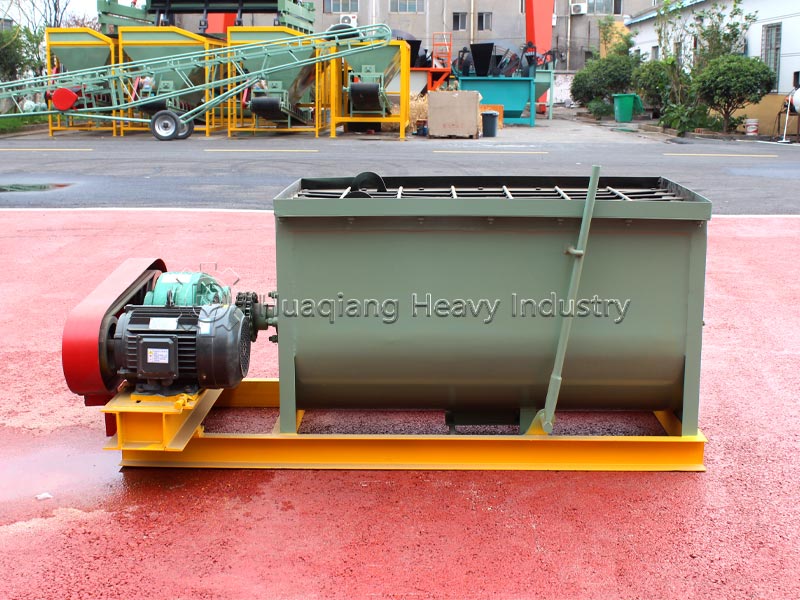
In summary, diammonium phosphate is an efficient phosphorus source fertilizer, with advantages in rapid phosphorus supplementation and strong adaptability. Due to its limited nutrient composition, in NPK fertilizer production lines, it needs to be thoroughly mixed with potassium fertilizer, organic fertilizer, etc., using a fertilizer mixer. In acidic soils, lime can be added for conditioning. Applying it as needed will maximize its fertilizing effect.