
A comprehensive analysis of the BB fertilizer blending process: Uniformity determines efficacy
The core advantage of BB fertilizer (Bulk Blended Fertilizer) lies in its ability to be formulated on demand and provide balanced nutrients. As a critical component of fertilizer production machinery, the BB fertilizer mixer—and specifically its blending process—directly determines the uniformity of nutrient distribution within the fertilizer. Consequently, this constitutes the central stage of BB fertilizer manufacturing and is frequently integrated into NPK blending fertilizer production lines and granulation systems.
Preparation is essential prior to blending: Raw materials—including elemental nitrogen, phosphorus, and potassium fertilizers, as well as organic fertilizers—must be weighed with precision according to the specific nutrient requirements of the target crops. Additionally, impurities and any existing clumps must be removed. Simultaneously, the blender itself must be inspected to ensure the mixing chamber is clean and free of residue, that the mixing blades are functioning correctly, and that all equipment calibration and adjustments are complete.
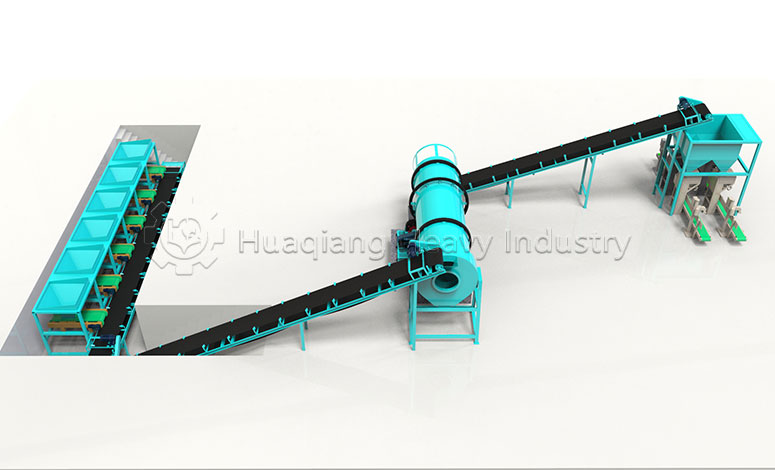
The core blending process consists of three steps: First, the weighed raw materials are fed into the machine in a specific sequence—materials with larger particle sizes and uniform specific gravity are added first, followed by finer powdery materials, to prevent clumping and segregation. Second, the BB fertilizer blender is activated; the high-speed rotation of the mixing blades creates a tumbling action that thoroughly mixes the raw materials. Third, blending continues for a duration of 15 to 20 minutes; periodic pauses may be taken during this time to inspect the mixture and ensure there are no remaining clumps or instances of nutrient stratification.
Once the blending process is complete, the finished BB fertilizer should be discharged promptly and conveyed to the storage or packaging stages. Concurrently, the interior of the blender must be thoroughly cleaned to prevent residual raw materials from absorbing moisture, clumping, and potentially compromising the quality of subsequent production batches.
Key Control Points: Precise weighing of raw materials, sufficient blending duration, and proper regulation of mixing speed are paramount. Adherence to standardized operational procedures is the only way to guarantee the uniform distribution of nutrients within the BB fertilizer, thereby fully leveraging its advantage of “on-demand nutrient supply” and ultimately contributing to enhanced crop quality and increased yields.