
Addressing the five core challenges of using NPK compound fertilizers
NPK compound fertilizers have become mainstream in agricultural production due to their comprehensive nutrients and convenient application. However, they face multiple challenges influenced by formulation and application methods, which not only restrict fertilizer efficiency but may also lead to soil and environmental problems, requiring rational avoidance.
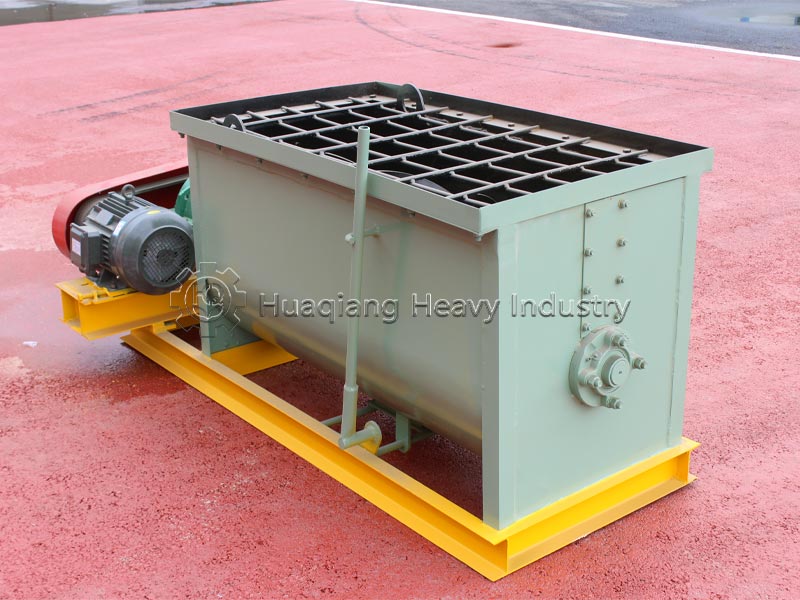
The primary challenge is the lack of adaptability due to fixed formulations. The nutrient ratio is preset by the NPK fertilizer production line and is difficult to adjust after the raw materials are mixed by the fertilizer mixer. This prevents precise matching of soil fertility and crop nutrient requirements, easily leading to nutrient imbalances and affecting crop quality.
Low nutrient utilization efficiency easily leads to imbalances. Unreasonable application can lead to nitrogen volatilization and potassium leaching, resulting in utilization rates of less than 40%; long-term single application can also disrupt soil nutrient balance, inhibit the absorption of trace elements, and induce crop nutrient deficiencies.
Environmental and soil degradation risks are prominent. Excessive application can easily cause soil compaction and acidification, and nitrogen and phosphorus runoff can lead to water eutrophication, violating the requirements for reducing fertilizer use and increasing efficiency, and causing long-term damage to arable land quality.
Quality and cost control are challenging. Inferior products result from the use of non-standard fertilizer production equipment, substandard NPK fertilizer production line processes, and failure to achieve uniform mixing through professional fertilizer mixers, leading to substandard nutrient content; high-quality products have high raw material costs, and improper application can easily increase planting costs.
In summary, the challenges of NPK compound fertilizers are concentrated in adaptability, utilization efficiency, environmental protection, and quality control. Combining precise selection based on soil testing and application with organic fertilizers can address these pain points and improve fertilizer efficiency.