

Cage Crusher
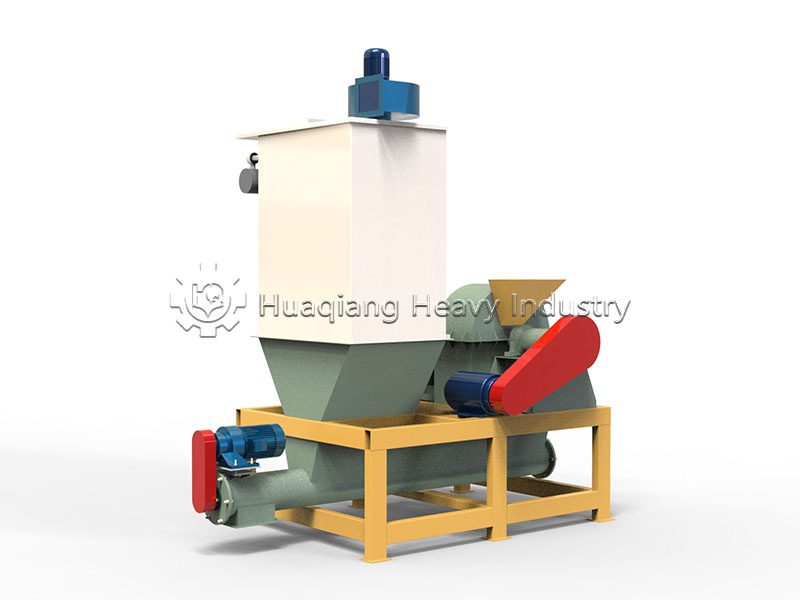
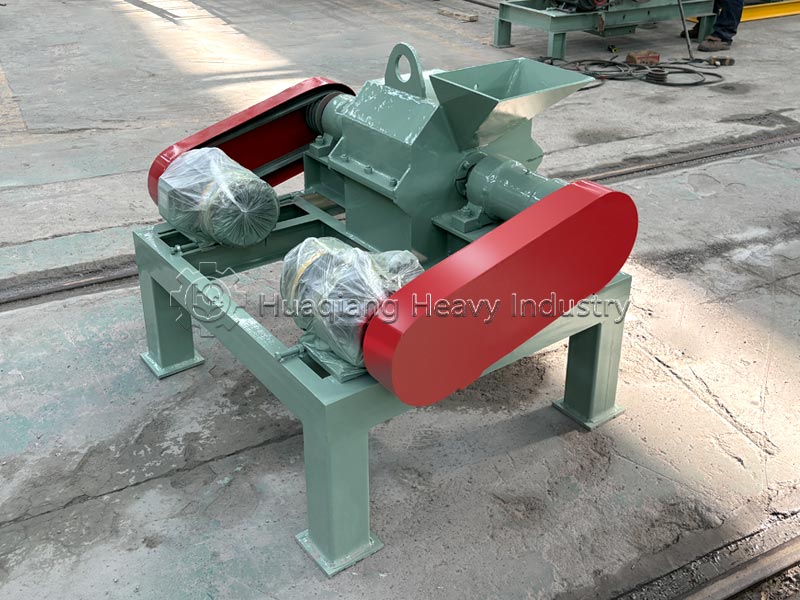
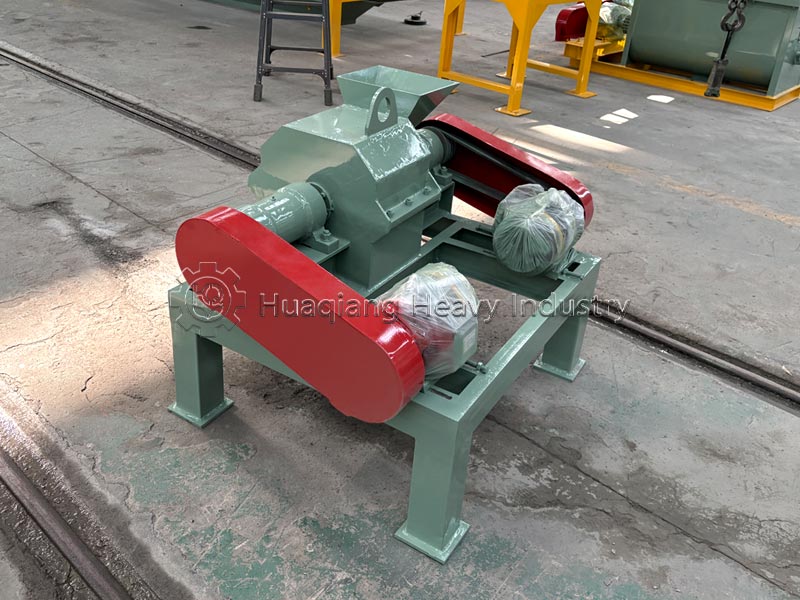
The cage crusher is a specialized piece of equipment used in the production of organic fertilizers and compound fertilizers for the fine crushing of finished granules and the pulverization of agglomerated materials. It is typically placed after the screening section in the production line, responsible for crushing large particles and substandard finished products from screening into fine materials, which are then returned to the granulation section for reprocessing. Unlike chain crushers, which are used for coarse crushing of fermentation materials, cage crushers are better suited for fine crushing of already granulated materials, producing uniform particle size. It is a key piece of equipment for achieving closed-loop production in organic fertilizer production lines.
Working Principle
After entering the crushing chamber, the material falls into the working area between the inner and outer double-layer cage rotors. The inner and outer cages are driven by independent motors, rotating in different directions or at different speeds. The densely installed crushing rods on the cages form staggered impact surfaces during high-speed rotation, causing the material to be repeatedly impacted, sheared, and ground between the double-layer cage rods. The crushed fine material is thrown out from the gaps between the cages under centrifugal force and falls along the inner wall of the casing into the bottom discharge port. The material has a short residence time in the cage, resulting in high crushing efficiency.
Applicable Raw Materials
Organic Fertilizer Finished Product Return Material: Large granules and substandard finished products after screening need to be crushed and returned to granulation.
Compound Fertilizer Return Material: Fine crushing and recycling of large granules and oversized products from the screens of various specifications of compound fertilizer production.
Clumped Fertilizer: Finished fertilizer that has clumped due to moisture during storage; crushed and regranulated or used as return material.
Semi-wet Organic Materials: Fine crushing of organic fertilizer raw materials with appropriate moisture content after fermentation.
Oil Meal Raw Materials: Crushing of by-products from oilseed processing such as soybean meal and rapeseed meal.
Basic Raw Material Requirements
The moisture content of the feed material should generally be controlled below 30%. Within this range, the material can be crushed smoothly without clogging the cage. If the moisture content is too high, the material is prone to sticking between the cage bars, affecting crushing efficiency and output fineness.
Regarding particle size, the feed particle size should not be too large, generally not exceeding 20mm. Oversized pieces will affect the crushing effect and accelerate cage bar wear. Hard objects such as iron blocks and stones are strictly prohibited from being mixed into the material, as they will break the cage bars or cause cage deformation. Iron removal devices and screening equipment should be installed before feeding.
Have Any Problem? Please, Contact
Integrity
Adhere to honesty and trustworthiness, be responsible to customers, employees, partners, and society, and establish long-term trust relationships.
Win win
Establish win-win relationships with all stakeholders such as customers, suppliers, and employees to share the fruits of enterprise development.