
Coating Machine
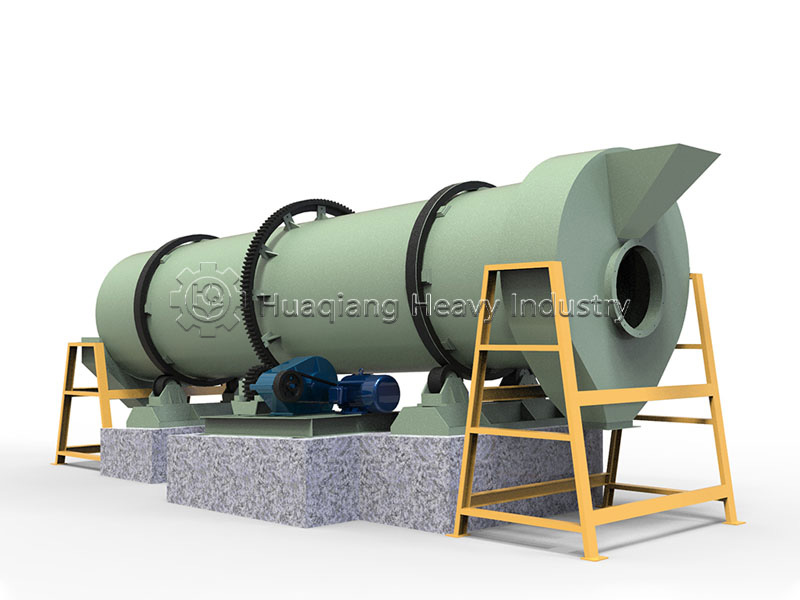
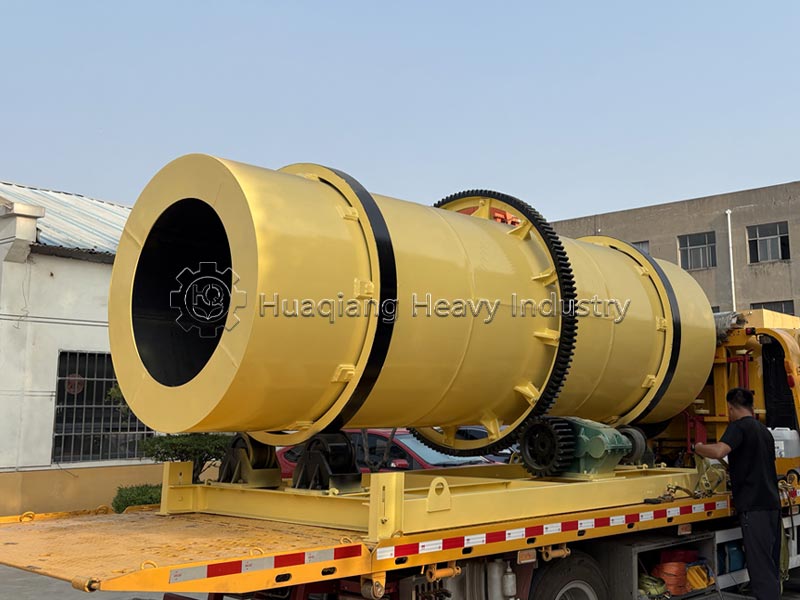
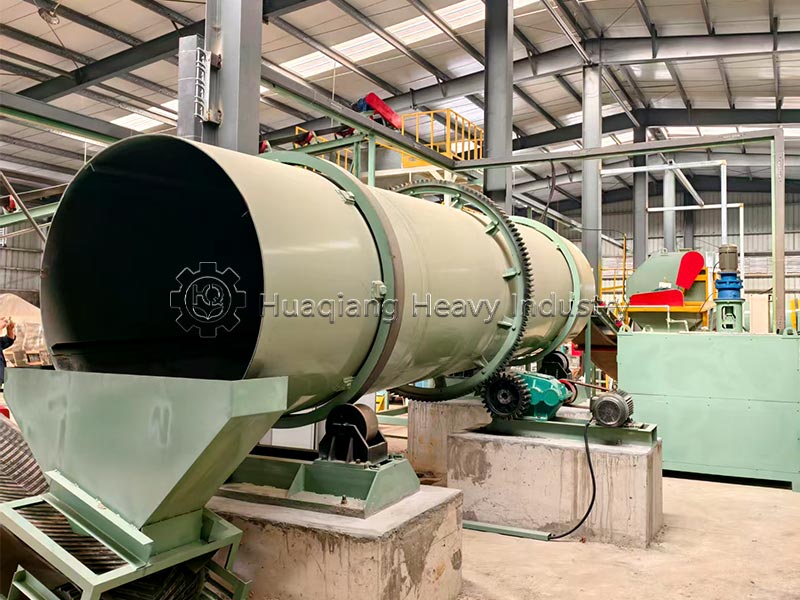
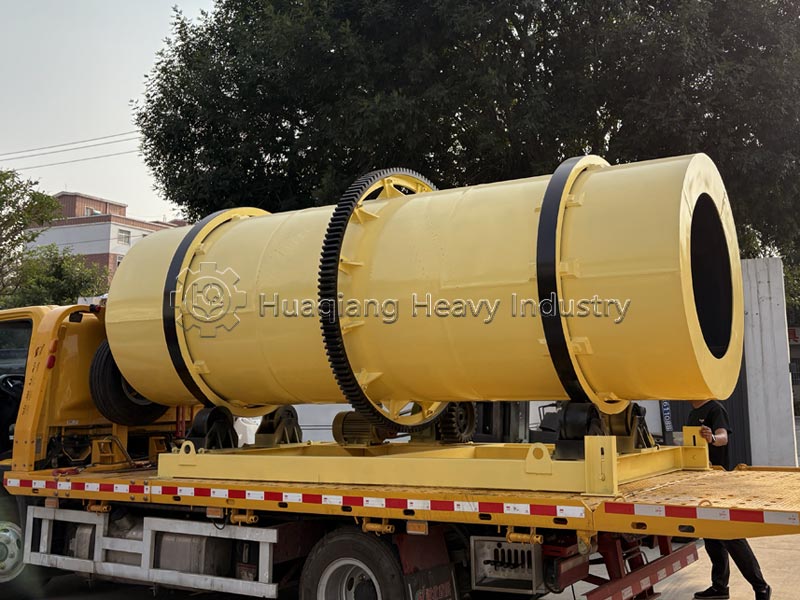
The fertilizer coating machine is specialized post-processing equipment used in fertilizer production lines to prevent caking on granule surfaces and improve their appearance. Granular fertilizers are prone to caking during storage and transportation due to moisture absorption and compression, which compromises their usability and commercial value. By applying a hydrophobic or barrier coating layer to the granule surface, the machine effectively prevents direct contact between granules and inhibits moisture absorption; this significantly extends shelf life and maintains the product’s free-flowing state, making it a crucial piece of equipment for enhancing market competitiveness.
Working Principle
Screened finished granules enter a rotating drum, where they are continuously tumbled as the drum turns. Liquid coating agents are evenly sprayed onto the tumbling granules via metering pumps and nozzles, or powdered coating agents are fed in measured quantities using a screw feeder. As the granules tumble and rub against each other, the coating agent is evenly applied and bonded to the surface of each granule. The material gradually moves toward the discharge end as the drum rotates. Once coating is complete, the finished product is discharged for packaging.
Applicable Fertilizers
Compound fertilizer granules: High-concentration compound fertilizers prone to moisture absorption and caking; coating prevents caking.
Organic fertilizer granules: Organic granules often have rough surfaces; coating improves smoothness and moisture resistance.
Bio-organic fertilizer granules: Organic granules containing functional microbial agents; coating protects the microbial agents.
Organic-inorganic compound fertilizer granules: Anti-caking treatment for mixed fertilizer granules.
Straight fertilizer granules: Coating treatment for highly soluble and hygroscopic fertilizers such as urea and ammonium nitrate.
Coating Considerations
The dosage of the coating agent must be strictly controlled; insufficient amounts result in poor anti-caking performance, while excessive amounts increase costs and affect nutrient content.
Liquid coating agents should be sprayed as a fine, even mist to avoid localized over-application, which could cause granules to stick together.
Powdered coating agents must be sufficiently fine to ensure uniform adhesion to the granule surface.
Material temperature during coating should not be too high—generally kept below 40°C—to prevent the coating agent from evaporating or degrading.
After coating, the material requires appropriate cooling to allow the coating layer to cure and stabilize before packaging.
Have Any Problem? Please, Contact
Integrity
Adhere to honesty and trustworthiness, be responsible to customers, employees, partners, and society, and establish long-term trust relationships.
Win win
Establish win-win relationships with all stakeholders such as customers, suppliers, and employees to share the fruits of enterprise development.