
Disc Granulator
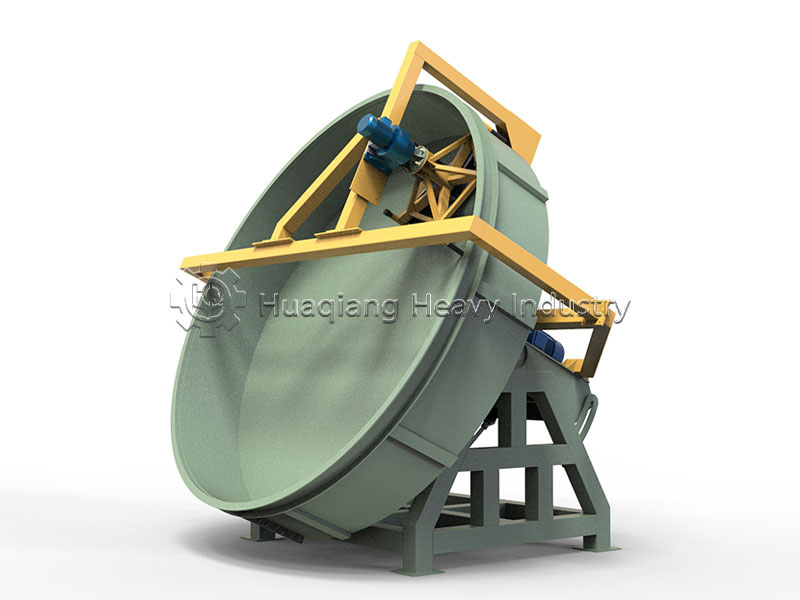
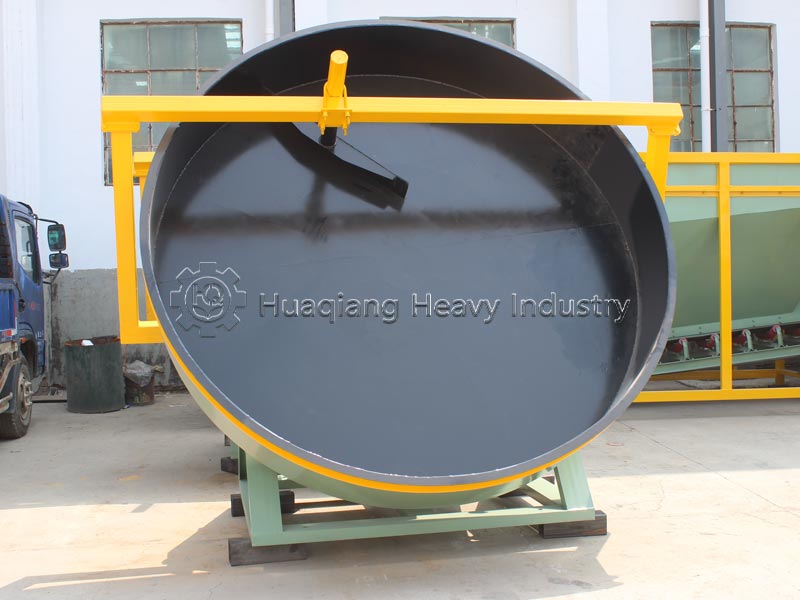
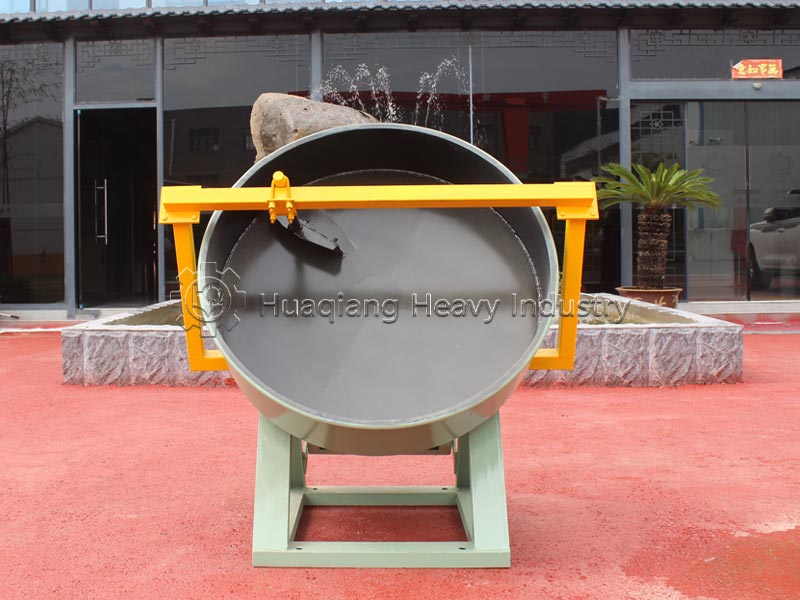
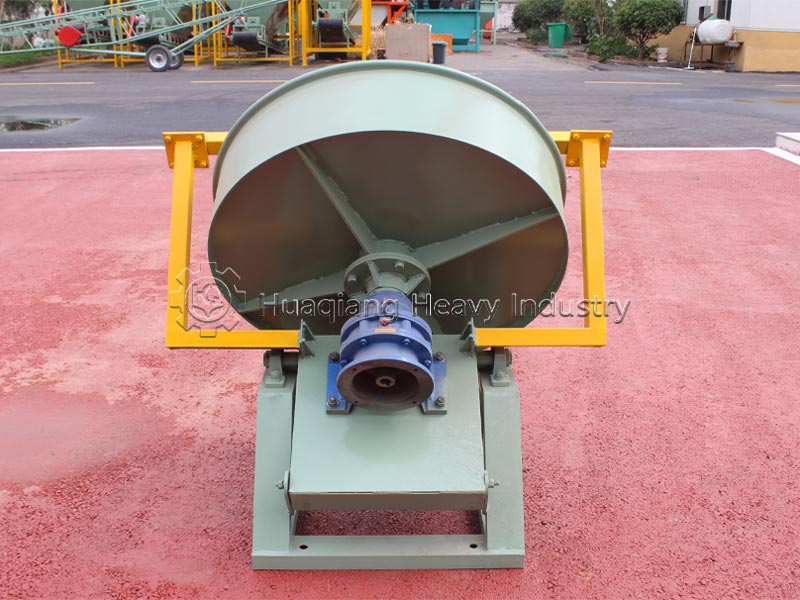
The disc granulator is one of the most widely used pieces of equipment in wet granulation processes. Its core operating principle involves a tilted, rotating disc that causes powdered materials to continuously tumble and bond into spheres upon the addition of water or a binder solution. The granulation process is straightforward: powder on the disc surface rolls and adheres, layering upon itself, until perfectly round finished granules spill over the disc’s edge. The equipment is highly adaptable to various materials; while compound fertilizers, organic fertilizers, and bio-organic fertilizers are its traditional strongholds, it is also commonly used for pelletizing powders in industries such as construction materials, chemicals, and metallurgy. The disc granulator features a simple structure, is easy to operate, and requires a relatively modest investment, making it particularly suitable for users who prioritize granule roundness and uniformity.
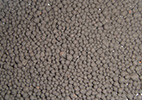
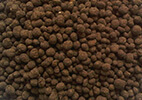
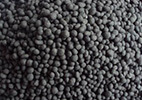
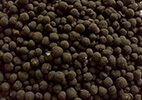
Working Principle of Disc Granulator
Powdered material is continuously fed into the tilted, rotating disc via a feeding system, while a spray system simultaneously applies atomized water or liquid binder to the material inside. Driven by the combined forces of friction and centrifugal action generated by the disc’s rotation, the moistened powder is repeatedly lifted and allowed to roll back down, causing the particles to collide and adhere to one another. Fine powder particles first aggregate into “micro-nuclei” through the bridging effect of water molecules; as they tumble, these nuclei continuously contact newly added dry powder and mist droplets, accumulating new layers and gradually increasing in size. Once the granules reach a certain size, their increased weight causes them to migrate toward the disc’s edge during rotation; they eventually spill over the rim, pass through a discharge chute, and proceed to drying or screening stages. Granule size and strength can be precisely controlled by adjusting the disc’s rotational speed, tilt angle, feed position, and spray volume.
Suitable Raw Materials of Disc Granulator
The disc granulator handles a wide range of materials; it is suitable for pelletizing most powders that possess sufficient fineness and develop adhesiveness when mixed with water or a binder. Fertilizers: Urea, ammonium phosphate, potassium chloride, potassium sulfate, superphosphate, and various compound fertilizer powder blends; fermented organic fertilizer powders (chicken, sheep, or cattle manure); humic acid and amino acid-based organic materials; organic-inorganic mixtures.
Construction Materials: Raw cement meal, limestone powder, fly ash, ceramsite raw materials, and gypsum powder.
Chemicals: Catalyst carrier powders, molecular sieve raw powders, activated carbon powder, etc.
Metallurgy: Iron ore concentrate powder, manganese ore powder, dust collector ash, and other powdery materials requiring pelletization for furnace charging.
Environmental Protection: Industrial waste powders requiring solidification, such as sewage sludge incineration ash and fly ash.
Basic Raw Material Requirements
Fineness: Raw material fineness is a critical factor affecting pellet quality. Generally, at least 50% of the material should pass through a 60-mesh screen; higher fineness results in smoother, denser pellet surfaces and greater strength. Excessive coarse particles make pelletization difficult and lead to rough surfaces.
Moisture Content: The moisture content of the dry powder before entering the disc is ideally controlled between 8% and 15%. Material that is too dry requires more water and pellets slowly; material that is too wet tends to stick to the disc and clump, actually reducing the pelletization rate.
Stickiness: The material should possess inherent binding properties. Materials with good stickiness (e.g., organic fertilizers containing humic acid or clay) pelletize quickly and yield high-strength pellets; materials lacking sufficient stickiness can be mixed with appropriate binders, such as bentonite, starch, or pulp waste liquor.
Flowability: The material should be loose and free of clumps to ensure uniform and smooth feeding. For materials prone to bridging, it is recommended to equip the feed hopper with an anti-bridging device or a vibrator.
Production Capacity Range of Disc Granulator
Disc granulators are available in a full range of specifications, from small laboratory-scale discs to large industrial-grade units, allowing users to select the appropriate model based on expected output.
| Model | Capacity(t/h) | Diameter(mm) | Side Height(mm) | Rotation Speed(r/min) | Motor Power(Kw) |
| ZL-500 | 0.05-0.15 | 500 | 150 | 25 | 1.5 |
| ZL-800 | 0.1-0.3 | 800 | 200 | 25 | 1.5 |
| ZL-1000 | 0.1-0.35 | 1000 | 250 | 25 | 2.2 |
| ZL-1200 | 0.1-0.35 | 1200 | 250 | 25 | 3 |
| ZL-1500 | 0.3-1 | 1500 | 300 | 18 | 3 |
| ZL-1800 | 0.5-1.2 | 1800 | 350 | 18 | 4 |
| ZL-2000 | 0.5-1.5 | 2000 | 400 | 18 | 5.5 |
| ZL-2500 | 1-2.5 | 2500 | 400 | 13.6 | 7.5 |
| ZL-2800 | 2-3 | 2800 | 500 | 13.6 | 11 |
| ZL-3000 | 2-3 | 3000 | 500 | 11 | 11 |
| ZL-3200 | 3-5 | 3200 | 500 | 10 | 11 |
| ZL-3600 | 3.5-6 | 3600 | 500 | 10 | 18.5 |
Have Any Problem? Please, Contact
Integrity
Adhere to honesty and trustworthiness, be responsible to customers, employees, partners, and society, and establish long-term trust relationships.
Win win
Establish win-win relationships with all stakeholders such as customers, suppliers, and employees to share the fruits of enterprise development.