
Flat die pelleting machines: A comprehensive overview of compound fertilizer applications
Flat die pelleting machines, with their compact structure, ease of operation, affordable cost, and adjustable pressure, have become the mainstream granulation equipment for small and medium-sized fertilizer plants and individual processors. They break through the formula limitations of large-scale equipment, adapting to the processing of multiple types of compound fertilizers, balancing versatility and practicality.
Firstly, there are conventional nitrogen, phosphorus, and potassium compound fertilizers, the core processing category for flat die pelleting machines. Whether the formula is high in nitrogen, phosphorus, or potassium, the equipment can adjust the die orifice diameter and extrusion pressure to produce uniformly sized granules from the raw materials. The finished product has moderate hardness and can be used as base fertilizer for field crops or top dressing for cash crops.
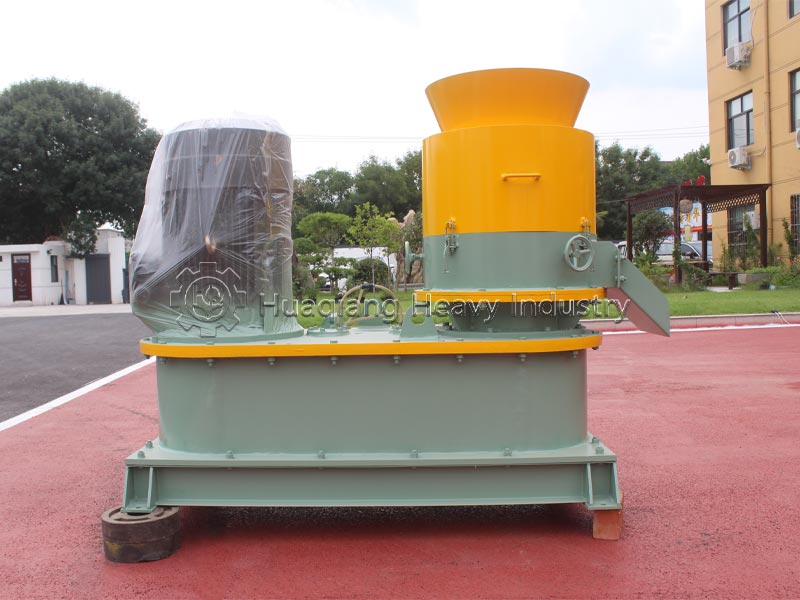
Secondly, there are organic-inorganic compound fertilizers, a popular type of fertilizer for green planting. These fertilizers combine organic and inorganic nutrients. Flat die pelleting machines can easily process high-fiber organic raw materials such as fermented livestock manure and straw powder, combined with nitrogen, phosphorus, and potassium inorganic fertilizers for granulation, avoiding the clogging problems of traditional equipment, and producing a balanced nutrient content in the finished product.
In addition, the equipment can also process micronutrient compound fertilizers and economical slow-release compound fertilizers. Adding micronutrients such as calcium, magnesium, and zinc prevents stratification during granulation and ensures uniform nutrient distribution. For slow-release formulations, fine-tuning the extrusion parameters produces slow-release coated granules, meeting the needs of precision fertilization.
The flat die pelleting machine requires no complex raw material pretreatment, is highly adaptable, and can flexibly switch formulations to cover the mainstream compound fertilizer needs of the market, making it a cost-effective choice for small and medium-sized fertilizer processing.