
NPK fertilizer granulator machine: 4 Key functional features tailored for compound fertilizer production
NPK compound fertilizers involve complex raw materials and diverse formulations, placing extremely high demands on granule quality and nutrient retention. Consequently, a truly qualified NPK fertilizer granulator machine must go beyond the basic function of mere “granulation”; it must be specifically tailored to the unique production characteristics of these fertilizers to effectively meet operational requirements.
The primary feature is the simultaneous optimization of mixing and granulation. Since NPK fertilizers consist of nitrogen, phosphorus, potassium, as well as secondary and trace elements, the granulator must incorporate a highly efficient internal mixing mechanism. This ensures the uniform blending of all raw materials, thereby preventing nutrient segregation. Concurrently, it must deliver stable granulation performance, consistently producing granules with uniform particle size and optimal density.
The second key feature is precise control over temperature and moisture. Given the significant variations in the hygroscopicity of NPK raw materials—and the susceptibility of certain components to degradation at high temperatures—the NPK fertilizer granulator machine requires a precise moisture control system. This system adapts to the specific moisture content requirements of different formulations, effectively preventing issues such as caking or granulation failure. Furthermore, its temperature control capability safeguards against nutrient degradation caused by excessive heat.
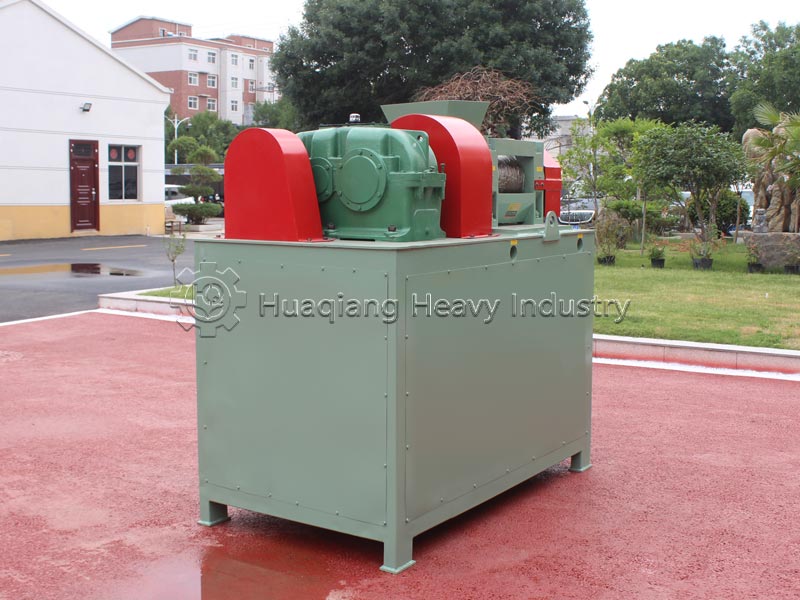
Thirdly, the machine must offer strong adaptability to diverse formulations. As NPK fertilizer formulations frequently require adjustment based on specific crop and soil requirements, the NPK fertilizer granulator machine must facilitate rapid switching between multiple formulations without the need for complex recalibration. This adaptability supports small-batch, multi-specification production runs while remaining compatible with raw materials of varying specific gravities and particle sizes.
Finally, the equipment must be highly efficient, stable, and environmentally friendly. It must be capable of continuous operation with a low failure rate and ease of maintenance, making it ideally suited for large-scale industrial production. Additionally, the machine should feature a sealed design to minimize dust emissions and raw material loss, thereby balancing high production efficiency with environmental protection standards.