
Simple Compost Turning Machine
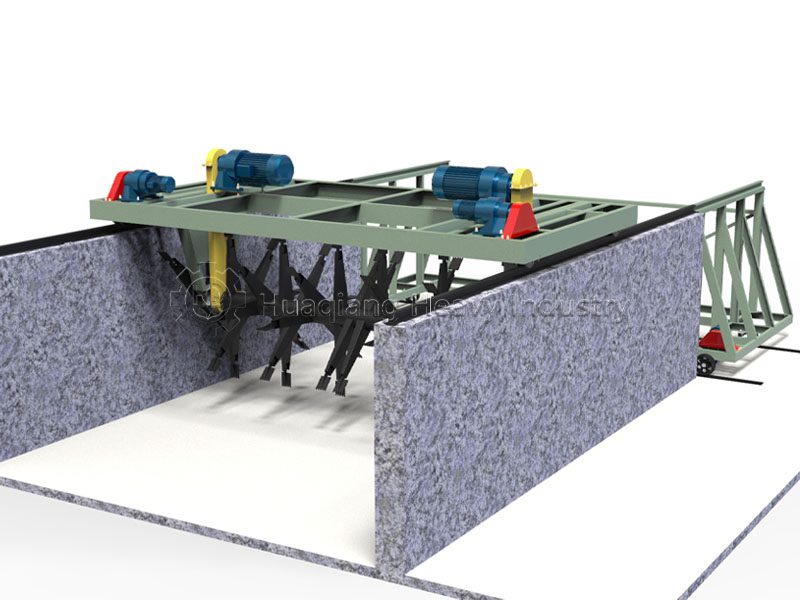
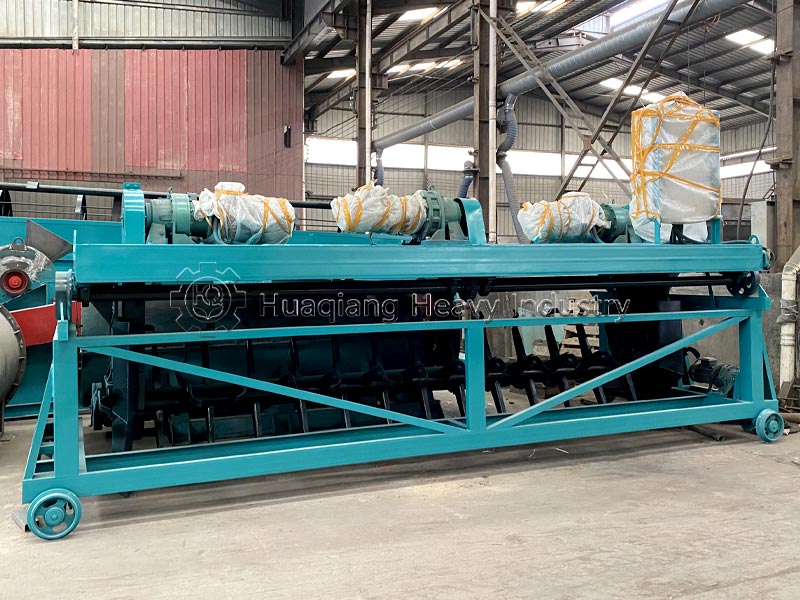
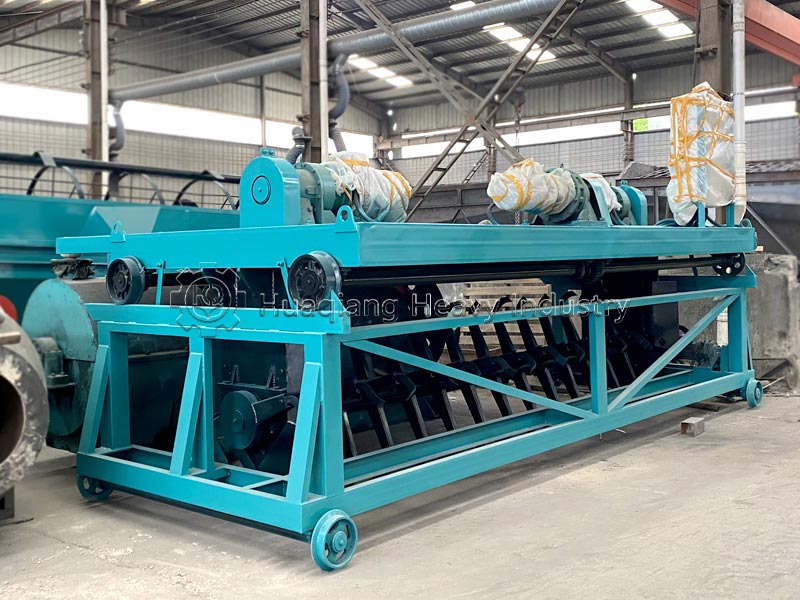
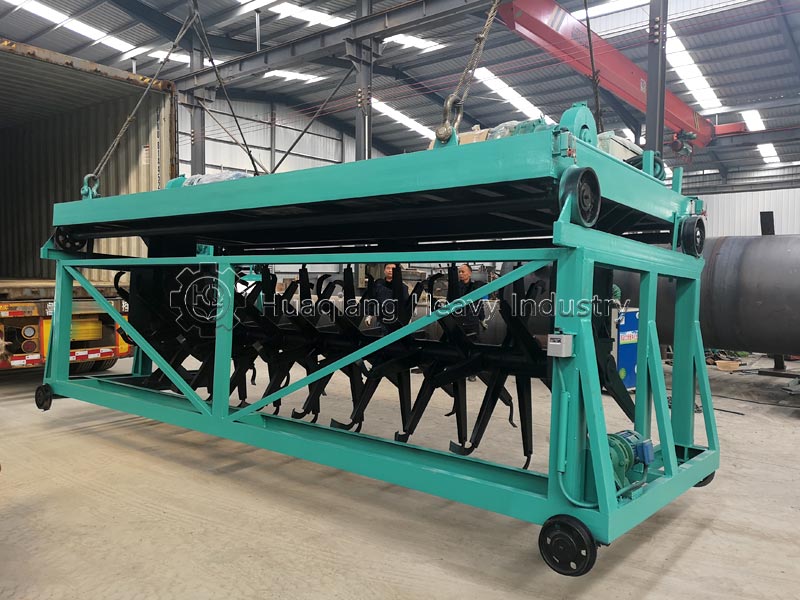
The simple trough compost turning machine is a core piece of equipment for trough-based aerobic fermentation processes, designed specifically to periodically turn, break up, and shift organic materials stacked within fermentation channels. Spanning the rails on both sides of the channel, it uses a rotating toothed roller to scoop material from the bottom and cast it backward, simultaneously performing the three functions of turning, aerating (loosening), and displacing the material. Featuring a simplified structural design with fewer drive components and potential failure points, the machine requires no specialized technicians for daily operation or maintenance; ordinary workers can operate it independently after brief training. For livestock manure resource utilization, township organic fertilizer processing sites, and small-to-medium composting projects, this simple trough compost turning machine offers a reliable, practical, and cost-effective solution that ensures consistent fermentation quality.
How does the fermentation process work with this simple trough compost turning machine?
At the start of the process, prepared fermentation materials are loaded into one end of the channel and stacked to the designed height. The turner travels along the channel rails above the material; its rotating toothed roller penetrates the material layer, scooping the material from the bottom and casting it backward. As the material disperses in the air, it makes full contact with oxygen; aerobic microorganisms rapidly reproduce and metabolize, decomposing organic matter and generating heat, causing the material temperature to rise quickly—often exceeding 50°C within 24 to 48 hours.
As fermentation progresses, the turner travels the full length of the channel to turn the material once or twice daily. Each turning cycle not only replenishes oxygen but also remixes materials from different parts of the channel: cooler outer-layer material is moved into the high-temperature inner zone, while decomposed inner-layer material is shifted outward. With each turning, the material mass shifts backward by two to three meters; after approximately 15 to 20 days of continuous turning, it gradually moves from the feed end to the discharge end, completing the transformation from fresh material into decomposed organic fertilizer.
Ventilation pipes are typically installed at the bottom of the fermentation channel, and an optional blower can be added to supply oxygen, complementing the turner’s mechanical action. This setup is particularly suitable for processing materials with high moisture content or high bulk density. Multiple fermentation troughs can be arranged side-by-side; a compost turner moves between them using a transfer carriage, allowing a single set of equipment to service multiple troughs and thereby increasing equipment utilization rates.
What raw materials can be processed by a simple trough compost turning machine?
Regarding livestock and poultry manure, various types—such as chicken, pig, cattle, sheep, duck, and rabbit manure—can be processed in the troughs. Since moisture content and carbon-to-nitrogen (C/N) ratios vary significantly among different manures, production processes typically involve blending two or more materials to achieve parameters optimal for fermentation. For instance, chicken manure is high in nitrogen but relatively low in moisture, whereas cattle manure is fibrous and high in moisture; blending the two yields better fermentation results than composting either alone.
Regarding agricultural waste, materials such as powdered straw, ground corncobs, rice husks, peanut shells, sugarcane bagasse, and spent mushroom substrate serve as common carbon sources and moisture-regulating agents. While composting these materials individually takes a long time, mixing them with manure optimizes the C/N ratio, significantly accelerates fermentation, and results in a final product with high organic matter content.
Regarding industrial and agricultural processing by-products, oilseed meals (such as soybean, rapeseed, and cottonseed meal) are rich in nitrogen and serve as excellent nitrogen sources for adjusting the C/N ratio. Industrial organic wastes—including distillers’ grains, vinegar residue, sugar mill filter mud, and herbal medicine residues—are also suitable for conversion into organic fertilizer via trough fermentation, enabling waste resource recovery.
Regarding urban organic waste, sorted kitchen waste, vegetable trimmings, and garden clippings can undergo harmless treatment and resource conversion through high-temperature aerobic trough fermentation after being shredded.
What are the requirements for fermentation raw materials when using a simple trough compost turning machine?
Moisture control is the primary factor determining the success of fermentation. Ideally, the moisture content of materials entering the trough should be adjusted to between 55% and 65%—a state where squeezing the material leaves a damp mark on the hand but does not cause water to drip. If moisture is too low, microbial activity is inhibited and the temperature rises slowly; if moisture is too high, material permeability decreases, making it prone to developing anaerobic zones that produce foul odors. Fresh manure with high moisture content can be adjusted by mixing in dry bulking agents such as straw powder or rice husks, while overly dry material requires the addition of water or wet feedstock.
The carbon-to-nitrogen (C/N) ratio is a key nutritional parameter affecting the rate of fermentation. The optimal C/N ratio for aerobic fermentation ranges from 25:1 to 30:1. Livestock and poultry manure are rich in nitrogen but lack sufficient carbon; therefore, high-carbon materials like straw or rice husks are usually added for adjustment. If the C/N ratio is too high, fermentation slows down; if it is too low, significant nitrogen is lost through ammonia volatilization.
A balance must be struck between material fineness and air permeability. Particle size should be neither too fine nor too coarse; excessively fine material results in low porosity and poor aeration after piling, while overly coarse material leads to slow degradation and uneven decomposition. Ideally, the material should contain a moderate amount of long fibers to maintain the pile’s pore structure and ensure smooth airflow within the fermentation channel after turning.
Non-degradable debris—such as large stones, metal objects, or plastic items—must not be mixed into the feedstock entering the fermentation channel. Such debris not only compromises fermentation quality but can also jam the turning mechanism, causing equipment damage. Necessary screening and impurity removal should be performed prior to fermentation.
What is the processing capacity of a simple trough compost turning machine?
The processing capacity of a simple trough compost turning machine is determined by the width of the fermentation channel, the height of the compost pile, and the travel speed of the turner; equipment of various specifications can meet fermentation needs ranging from small to medium scales.
| Model | Main Motor | Walking Motor | Lifting Motor | Mobile Car Motor |
| FD3 | 7.5kw*2 | 1.5kw | / | 1.5Kw |
| FD4 | 11kw*2 | 1.5kw | / | 1.5Kw |
| FD5 | 15kw*2 | 2.2kw | 0.75kw | 1.5Kw |
| FDT3 | 7.5 kw*2 | 1.5kw | 0.75 kw | 1.5Kw |
| FDT4 | 11kw*2 | 1.5 kw | 0.75 kw | 1.5Kw |
| FDT5 | 15kw*2 | 2.2 kw | 0.75 kw | 1.5Kw |
Have Any Problem? Please, Contact
Integrity
Adhere to honesty and trustworthiness, be responsible to customers, employees, partners, and society, and establish long-term trust relationships.
Win win
Establish win-win relationships with all stakeholders such as customers, suppliers, and employees to share the fruits of enterprise development.