
The effects of diammonium phosphate (DAP) on plants: Functions and Precautions
DAP is a high-concentration, fast-acting nitrogen-phosphorus compound fertilizer containing 18% nitrogen and 46% phosphorus. Widely used in agricultural production, its effects on plants include both positive benefits and potential risks, depending on the application method and dosage. Combining it with NPK fertilizer production line products and utilizing NPK compound fertilizer granulation technology for thorough mixing maximizes its advantages.
Positive effects are evident during key growth stages: Application during the seedling stage rapidly replenishes phosphorus, promotes root differentiation, enhances water and nutrient absorption, and reduces stunted growth; during the growing season, nitrogen and phosphorus supplementation promotes robust stems and leaves, dark green foliage, and improves photosynthetic efficiency; during the flowering and fruiting stages, it aids in flower bud differentiation, reduces flower and fruit drop, and increases crop yield and marketability.
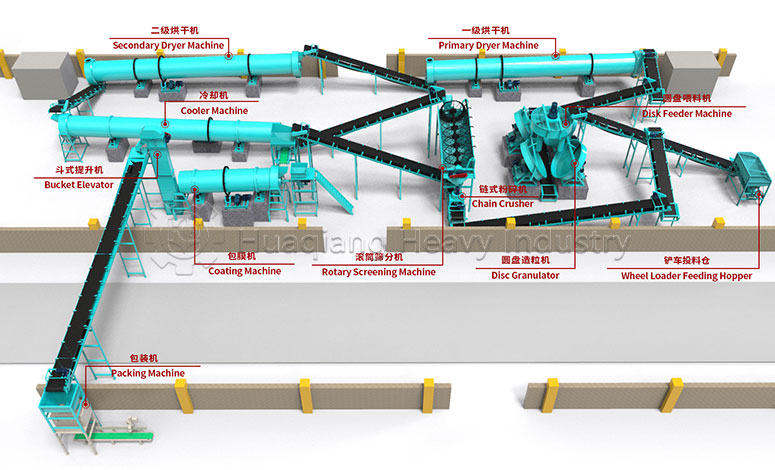
Improper application can cause harm: Long-term single application can lead to phosphorus accumulation in the soil, inhibiting plant absorption of micronutrients such as calcium and zinc, causing deficiency symptoms; excessive application can cause nitrogen-phosphorus imbalance, resulting in excessive vegetative growth, decreased stress resistance, and even root burn, affecting overall growth.
Scientific application is key: The dosage should be controlled according to the crop and soil type, avoiding single-use application. It can be combined with NPK fertilizer produced by an NPK fertilizer production line or organic fertilizer, and mixed thoroughly using fertilizer production equipment and a mixer before application. Apply shallowly during the seedling stage and supplement as needed during the growing season. Avoid mixing with alkaline fertilizers.
In summary, DAP is a highly efficient fertilizer that promotes strong seedlings and increased yield, with significant positive effects. With scientific formulation and precise dosage, risks can be mitigated, empowering plants to grow healthily and improve quality and yield.