
Potassium sulfate granulation process + Application method: Efficient fertilizer use without pitfalls
Potassium sulfate is a chlorine-free, high-quality potassium fertilizer suitable for chlorine-sensitive crops such as citrus and tomatoes. Its granular form facilitates storage and application. The granulation process is simple and practical. Application should be tailored to the crop’s nutrient requirements. With appropriate equipment and technology, fertilizer efficiency can be maximized. The core points are as follows:
The granulation process consists of three main steps:
Step 1: Raw material pretreatment. The potassium sulfate powder is pulverized, mixed with a small amount of binder, and then fed into a fertilizer mixer for thorough mixing.
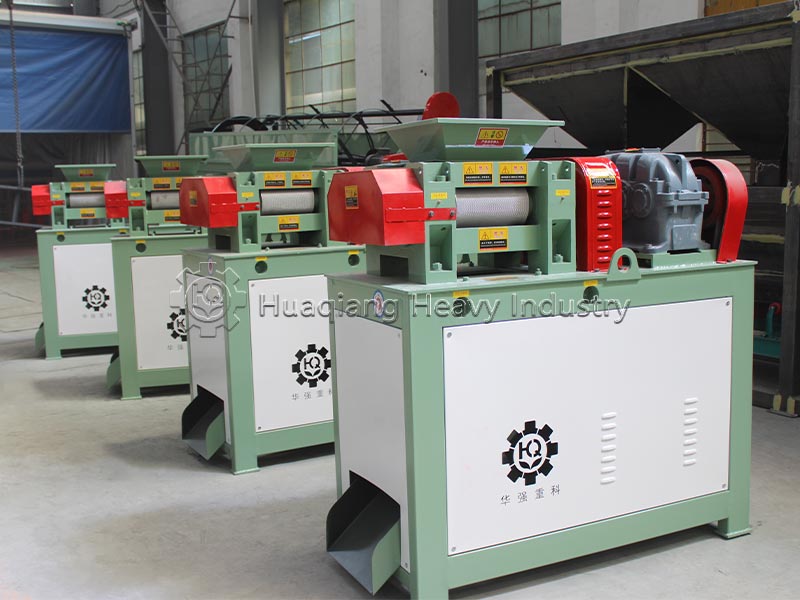
Step 2: Granulation and shaping. Using a suitable fertilizer granulator (such as a double roller press granulator), the moisture content is controlled at 15%-18%, forming 2-4mm granules.
Step 3: Drying and sieving. The granules are dried until the moisture content is ≤10%, and any substandard granules are removed.
Precise application is crucial: Prioritize chlorine-sensitive crops. Apply 15-25 kg per acre in the field, increasing the amount for fruits and vegetables as needed. It can be applied as a base fertilizer through deep plowing. When applying as a top dressing, it should be 10 cm away from the crop roots to avoid root burn.
Important considerations regarding compatibility and contraindications: It can be used with balanced compound fertilizers produced by NPK fertilizer production lines to supplement potassium fertilizer; avoid mixing with calcium-containing fertilizers to prevent precipitation and reduced effectiveness; water promptly after application to aid absorption and reduce runoff.
In summary, potassium sulfate granulation can be mass-produced using professional fertilizer granulation machines. Careful control of application, including avoiding contraindications, dosage, and compatibility, can improve quality while protecting soil fertility.