
NPK compound fertilizer additives: The key to quality improvement in the production process
In NPK compound fertilizer production, although additives account for a small proportion of the total volume, they directly affect product quality, storage stability, and application effectiveness. Different types of additives need to be precisely matched to each stage of the NPK fertilizer production line. Scientific application can effectively solve problems such as caking, loose granules, and nutrient loss, thereby enhancing product competitiveness.
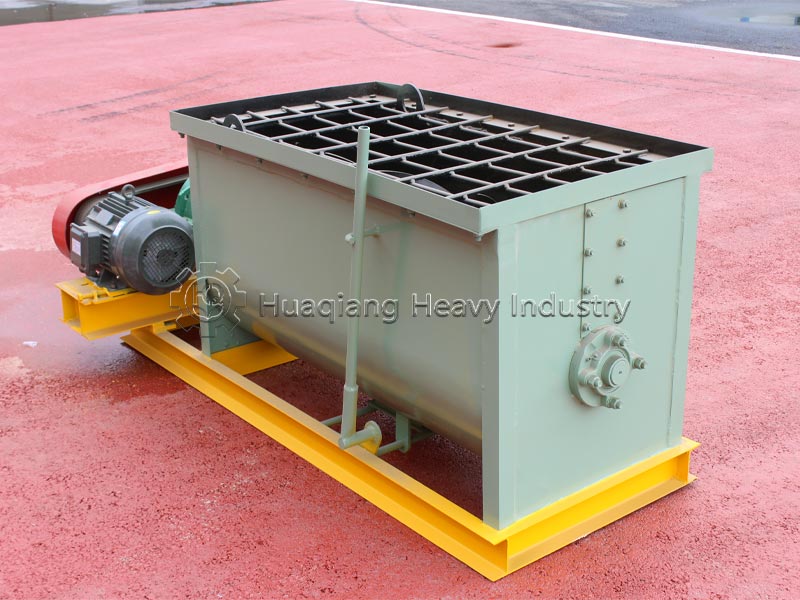
Anti-caking agents are a core category, mostly added during the raw material mixing stage in the fertilizer mixer machine or after granulation in the granulator. Common types include hydrophobic (mineral oil, silicones) and adsorbent (zeolite powder, diatomaceous earth). The former forms a protective film on the surface of the granules to isolate water and oxygen, while the latter adsorbs free moisture. Both can reduce the risk of caking, especially suitable for NPK fertilizers with high nitrogen and high humidity formulations.
Binding and conditioning agents are suitable for the granulation stage, ensuring molding quality. Binders (starch, lignin sulfonate) increase material viscosity, improving the molding rate of NPK fertilizer granulators and reducing powdering; conditioning agents optimize granule strength and smoothness, adapting to different granulation processes such as rotary drum granulator. The amount of additive needs to be adjusted according to the characteristics of the raw materials to avoid excessively hard granules or slow dissolution.
Nutrient efficiency enhancers need to be added during the mixing stage in the fertilizer mixer machine to improve fertilizer utilization. For example, urease inhibitors delay nitrogen volatilization, phosphorus activators reduce phosphorus fixation, and trace element chelating agents improve nutrient stability. Strict adherence to the formula ratio is necessary to ensure synergy with the main nutrients and avoid affecting fertilizer efficiency.
In summary, the core of additive application is “functional matching to the process stage and precise dosage.” Scientific selection based on raw materials and product requirements is essential to maximize their value and consistently produce high-quality NPK compound fertilizers.