
(FAQ)What are the key advantages of organic-inorganic compound fertilizers?
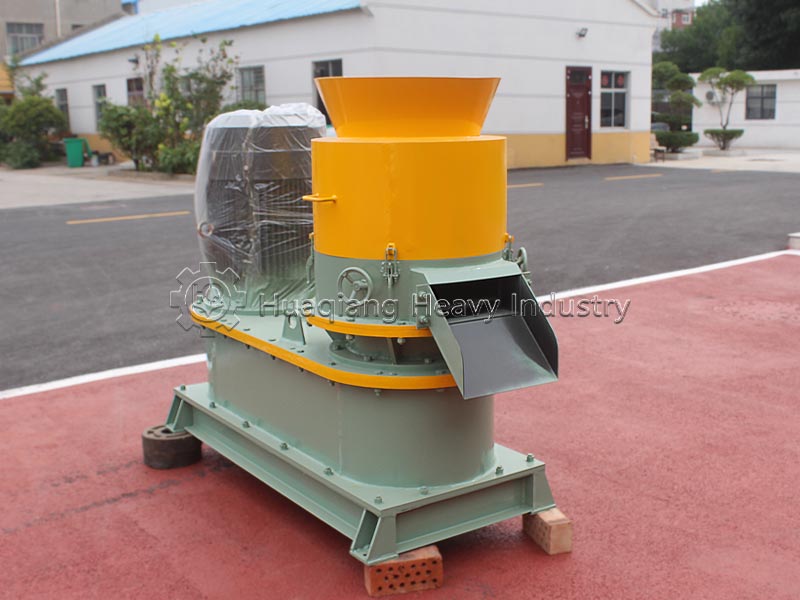
Organic-inorganic compound fertilizers combine organic materials with inorganic chemical fertilizers into a single granule, a process typically achieved using a fertilizer granulator. Their strength lies not in any single, isolated metric, but in their ability to simultaneously provide nutrients, improve soil health, and minimize nutrient loss.
Simultaneous nutrient supply and soil improvement. While inorganic fertilizers excel at providing rapid nutrient availability, their long-term, exclusive use can lead to a decline in soil organic matter and increased soil compaction. The organic component in these compound fertilizers not only supplies nutrients but also replenishes soil organic carbon, enhances soil aggregate structure, and improves water and nutrient retention. A single application addresses both the immediate needs of the current crop and the long-term health of the soil, eliminating the need for separate organic fertilizer applications.
A synergy between fast-acting and slow-release components. Inorganic nutrients are released quickly, meeting the demands of crops during critical growth stages, while the organic matter adsorbs and gradually releases nutrients. This ensures a more stable fertilizer effect and reduces the risks of nutrient loss or “fertilizer burn” caused by a sudden, concentrated release of nutrients. The timing of nutrient supply is thus better aligned with the crop’s natural uptake patterns.
Enhanced nutrient use efficiency. Components such as humic acids within the organic matter can form complexes with—or adsorb—nitrogen, phosphorus, potassium, and various trace elements. This helps reduce the volatilization of ammonium nitrogen, the fixation of phosphorus, and the leaching of potassium. Consequently, for the same amount of applied nutrients, crops often achieve higher actual uptake, leading to less fertilizer waste.
Improvement of soil physical and chemical properties. Continuous application helps lower soil bulk density, increase porosity, and regulate soil pH. For soils that are compacted, salinized, or deficient in organic matter, these fertilizers offer a more significant and longer-lasting improvement compared to the application of inorganic fertilizers alone.
Increased crop stress resistance. The organic matter and balanced nutrient supply promote root development, enhancing the crop’s tolerance to environmental stressors such as drought or low temperatures. In economic crops like fruit trees and vegetables, this often manifests as more robust growth and improved produce quality.
Overall, organic-inorganic compound fertilizers integrate nutrient supply, soil health maintenance, loss reduction, and stress resistance, making them well-suited for agricultural production scenarios that prioritize sustainable soil use and high-quality produce.