
Recommended granulators for DAP: Choosing the right equipment to preserve nutrient efficacy and boost efficiency
As a high-concentration nitrogen-phosphorus compound fertilizer, Diammonium Phosphate (DAP) exhibits strong hygroscopicity and is prone to nutrient loss; consequently, it places extremely high demands on the stability and granulation efficiency of processing equipment. Selecting a suitable granulator—combined with mature granulation techniques and integrated with complementary fertilizer production machinery—is essential for producing high-quality granular fertilizers that meet the requirements of NPK fertilizer production lines, all while ensuring that DAP nutrients remain intact.
The rotary drum granulator is the preferred choice for the large-scale production of DAP. Utilizing a wet granulation process, this machine allows for precise moisture control that is ideally suited to the specific characteristics of DAP raw materials. It boasts a high granulation rate, produces uniform particles, operates with exceptional stability, and offers high production capacity. Furthermore, it can be seamlessly integrated with upstream and downstream equipment—such as batching and drying systems—making it ideal for the mass production needs of large-scale fertilizer plants and effectively mitigating issues related to DAP moisture absorption and caking.
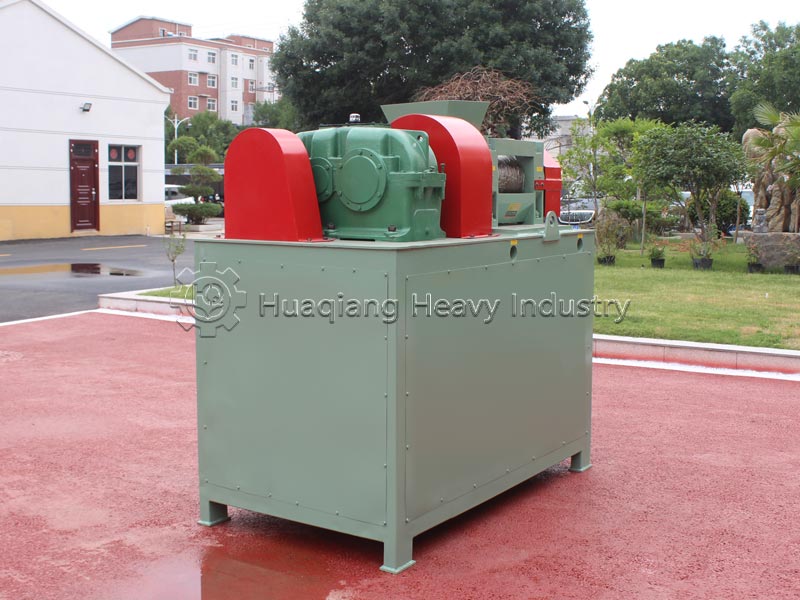
The double roller press granulator is well-suited for small-to-medium-scale DAP production scenarios. Requiring no significant water addition, it employs a dry-powder extrusion molding process, thereby preventing nutrient volatilization that can occur in DAP due to excessive moisture. The resulting granules possess high hardness and resistance to moisture absorption; the equipment itself is easy to operate, energy-efficient, and offers the flexibility to adjust granule size to suit various application scenarios. When paired with a mixer, the system can further enhance the uniformity of the raw material blend.
Key Considerations for Equipment Selection: Prioritize equipment constructed from wear-resistant and corrosion-resistant materials to withstand the corrosive nature of DAP. Pay close attention to the equipment’s moisture regulation capabilities to prevent nutrient loss. Finally, base your selection on the scale of production: large-scale plants should opt for rotary drum granulators, while small-to-medium-scale plants are better served by double roller press granulators, ensuring seamless compatibility with existing fertilizer production infrastructure.
In summary, a granulator suitable for DAP must effectively address the challenges of moisture absorption, nutrient preservation, and high granulation efficiency. By making a selection that carefully balances production scale with equipment compatibility, manufacturers can maximize the agronomic efficacy of DAP fertilizers and drive significant improvements in both the quality and efficiency of their fertilizer production operations.