
Chicken manure recycling: Differences between three common fertilizer granulation machines
Massive chicken manure stockpiles bring serious pollution risks to poultry farms, including odor emission, groundwater contamination and bacterial reproduction. Converting chicken manure into organic fertilizer pellets is an eco-friendly and profitable solution. Nevertheless, global buyers often confuse three similar granulation devices. This article sorts out their core differences for targeted equipment selection.
Chicken manure pellet machine is a special granulator tailored for poultry manure materials. Optimized for chicken manure’s high moisture and high organic content, it adopts low-temperature extrusion technology to protect beneficial bacteria activity. With small footprint, low cost and simple operation, it is the best choice for small chicken farms and private workshops to process manure on site.
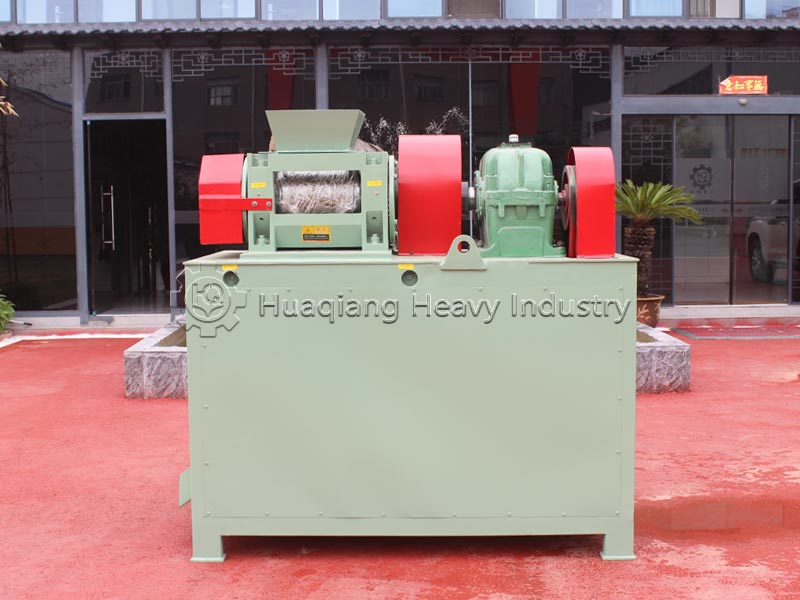
Fertilizer granulating machine is a general-purpose main granulation unit for formal fertilizer production lines. It supports diversified raw materials, covering poultry manure, livestock dung, crop straw and NPK powder. It owns larger output and more stable continuous working performance, which fits medium-sized organic fertilizer plants for commercial batch production.
Many buyers misunderstand fertilizer granule machine as an independent machine. In fact, it is a general umbrella term for all fertilizer forming equipment, including pellet machines, fertilizer roller granulators and drum granulators.
To sum up, pick dedicated chicken manure pellet machines for farm self-use, and choose universal fertilizer granulating machines for standardized commercial production. Distinguishing these three terms helps buyers avoid wrong selection and build an efficient chicken manure recycling line easily.