
(FAQ)NPK fertilizer granulator machines: Wet granulation or dry granulation?
When selecting an NPK fertilizer granulator machine, wet and dry granulation represent two distinct methods, differing significantly in terms of suitable raw material states, product positioning, and production line requirements. Errors in equipment selection often arise when manufacturers fail to distinguish between these processes based on their specific formulations and product needs; blindly adopting equipment can lead to poor product quality, high material loss, and excessive energy consumption. Therefore, understanding the appropriate application scenarios for each process is crucial for the large-scale production of NPK fertilizers.
Dry granulation centers on the fertilizer granules compaction process; it eliminates the need for water, binders, or drying stages, relying instead on high physical pressure to shape the powder. Its primary advantage is the absence of nutrient loss, fully preserving the active ingredients of nitrogen, phosphorus, and potassium, making it ideal for functional NPK fertilizers that require flexible ratios and varied formulations. Additionally, dry granulation lines feature shorter workflows, lower investment costs, and simpler maintenance, making them suitable for small-to-medium capacity operations involving frequent product switching. The downside is that the resulting granules are often irregular in shape, resulting in a less appealing appearance.
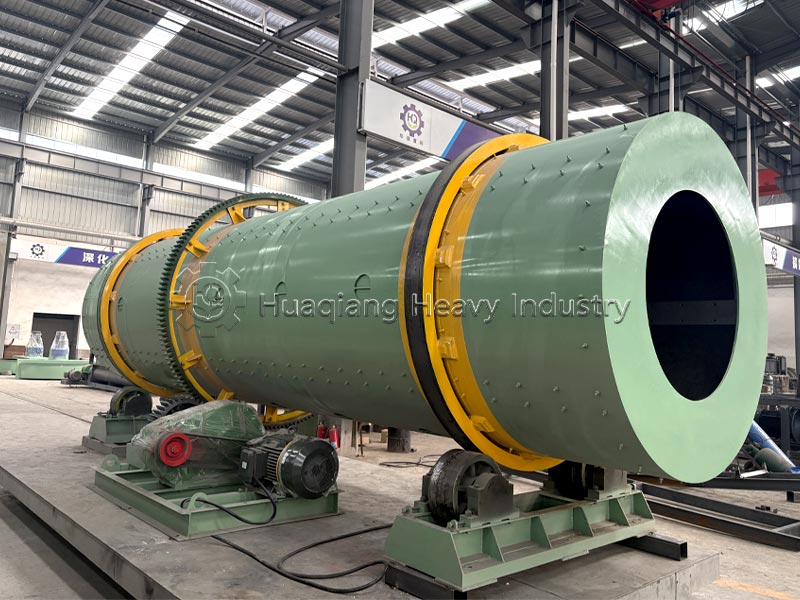
Wet granulation utilizes disc or rotary drum granulator, relying on the rolling and agglomeration of materials—facilitated by water spraying and liquid binders—to form granules, followed by necessary drying, cooling, and screening stages. Its core advantage lies in producing round, uniform granules with stable strength and resistance to pulverization; the resulting product has excellent market appeal, making it suitable for high-end commercial NPK compound fertilizers. The wet process offers superior material integration and more balanced nutrient distribution, making it ideal for standardized, high-volume mass production using fixed formulas; however, it entails higher overall energy consumption and more complex production line infrastructure.
The selection logic can be clearly summarized: dry granulation is the preferred choice for NPK production focused on customized formulas, small-batch/multi-variety output, and cost control; conversely, wet granulation is better suited for production lines targeting standardized products and high-end markets, where strict requirements exist regarding granule appearance and stability.