
Choosing an NPK fertilizer granulator machine: 5 Key points to avoid pitfalls
The core of choosing an NPK fertilizer granulator machine is to match it to your production needs. Many practitioners blindly pursue high parameters or low prices, resulting in equipment that is mismatched with their application and leads to significant losses later on. Consider the characteristics of NPK fertilizer, balancing practicality and economy.
First, focus on raw material compatibility. NPK raw materials are diverse, requiring the selection of equipment suitable for the processing technology based on the raw materials (single-element fertilizer, compound fertilizer) and moisture content. For example, for highly hygroscopic raw materials, prioritize dry process fertilizer granulation equipment to avoid low forming rates and clumping.
Second, match production capacity and scale. Small and medium-sized operations do not need to pursue large-scale equipment to avoid wasted capacity; large-scale production requires equipment with continuous operation and high stability to reduce downtime losses.
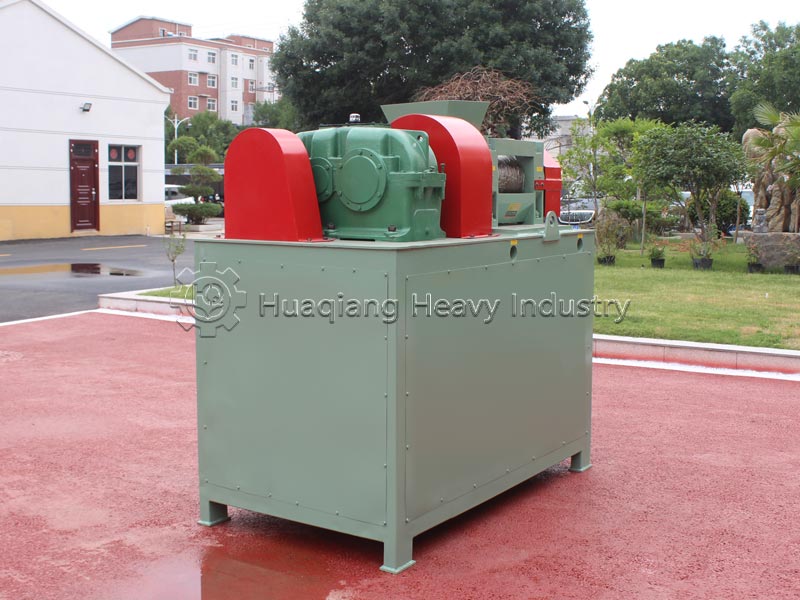
Pay attention to the quality of core components. Core components such as rollers and pressure rollers directly affect the equipment’s lifespan. Prioritize wear-resistant and corrosion-resistant materials, and pay attention to sealing performance to prevent dust leakage and raw material waste.
Focus on operation, maintenance, and after-sales service. Prioritize equipment with a simple structure and easy maintenance to reduce operational complexity; confirm the manufacturer’s after-sales support to avoid equipment failures affecting production; and avoid blindly pursuing the lowest price, balancing cost-effectiveness and stability.
In summary, the selection of an NPK fertilizer granulator machine should focus on four core aspects: raw material compatibility, capacity matching, reliable quality, and convenient operation and maintenance, and should be rationally chosen based on your own needs.