
Detailed explanation of fertilizer compaction technology: Why is compaction equipment key to fertilizer commercialization?
In industrial fertilizer production, problems such as loose raw materials, powdering of finished products, easy breakage during transportation, and nutrient stratification severely affect the quality of the finished product. Traditional wet granulation processes have many limitations, while fertilizer compaction, relying on the advantages of dry physical molding, is widely used in the refining of organic fertilizers, compound fertilizers, and blended fertilizers, effectively solving various fertilizer molding pain points.
This process is completely different from traditional wet granulation. It requires no water, binders, or high-temperature drying; it compresses loose powdery raw materials into regular granules through pure physical extrusion. The production process does not damage the fertilizer’s nutrient structure, there is no nutrient volatilization loss, and the original fertility is fully preserved. It is suitable for processing nitrogen, phosphorus, potassium, and various organic mixed raw materials.
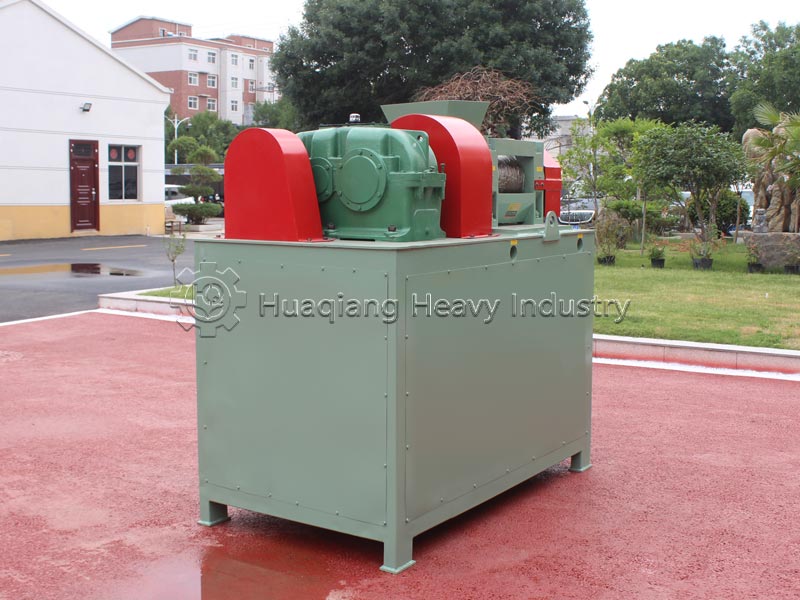
The stable implementation of the entire process relies on the fertilizer compaction machine. This complete set of equipment enables integrated continuous operation of feeding, compaction, molding, and discharging. It boasts stable operation, balanced capacity, and is suitable for large, medium, and small fertilizer production lines, seamlessly connecting upstream and downstream production processes.
As a core unit, the fertilizer compactor emphasizes high-precision physical extrusion, making it particularly suitable for raw materials such as potash fertilizer that are hard, have poor viscosity, and are difficult to mold. The processed granules are compact, uniform, and resistant to breakage, making them durable for storage and long-distance transportation. This significantly reduces powder waste and effectively improves raw material utilization.
As the fertilizer market increasingly demands higher quality and appearance from finished products, fertilizer compaction technology overcomes the raw material limitations and energy consumption drawbacks of traditional granulation, helping companies improve quality and reduce costs. It has become a preferred solution for upgrading and transforming modern fertilizer production lines.