
Rotary drum granulator core components and common troubleshooting, practical operation and maintenance
The rotary drum granulator is the core equipment for large-scale wet granulation of NPK compound fertilizer. It offers stable production capacity, continuous operation, and wide application. Mastering its core structure and common troubleshooting methods can effectively reduce equipment failure rates.
The rotary drum granulator adopts a modular structure, with its core consisting of five major components. The rotating drum is responsible for material tumbling and forming, and is the core granulation component; the frequency converter drive system regulates the equipment’s operating speed and provides power; the automatic spraying system sprays binder liquid to ensure granule forming effect; the feeding and discharging mechanism enables continuous material conveying; and the frame and sealing protection device stabilize equipment operation and prevent dust leakage.
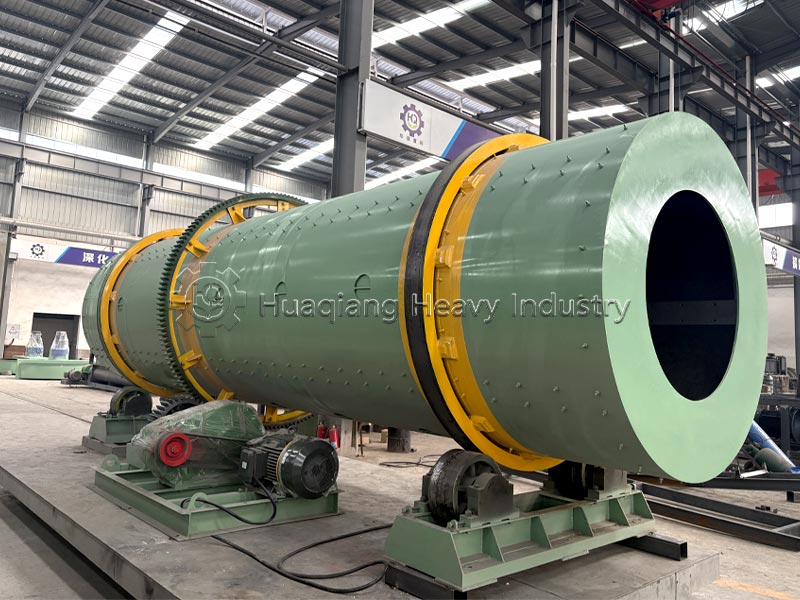
High-frequency equipment failures in daily production mainly fall into three categories, all of which can be quickly diagnosed and resolved. First, loose granules and low pelletizing rate are often caused by uneven spray water volume and unreasonable drum rotation speed. These can be addressed by fine-tuning the spray flow rate and equipment speed according to the raw material moisture content to optimize the material forming state.
Secondly, material buildup on the drum walls is often caused by excessively high raw material moisture content or wear of the anti-stick lining. Timely cleaning of the accumulated material, replacement of damaged liners, and strict control of the feed moisture content are necessary. Thirdly, abnormal noises during equipment operation are mainly due to worn bearings, gears, or loose fasteners. Tightening accessories, adding lubrication, and replacing worn parts will resolve the issue.
In daily maintenance, regularly cleaning residual material from the drum and inspecting the transmission and spraying systems can effectively prevent most malfunctions. A thorough understanding of the equipment structure and accurate troubleshooting are key to maintaining the long-term stable production of the rotary drum granulator.