
The core differences between NPK fertilizer granulator machines and organic fertilizer processing
NPK fertilizer granulator machines can process both chemical fertilizer granules (NPK compound/blended fertilizers) and organic fertilizers, but the processing logic, operational requirements, and finished product characteristics differ significantly. The core difference stems from the different characteristics of the raw materials, which in turn affect the entire processing flow.
The most obvious difference lies in raw material treatment. For processing NPK fertilizer granules, the raw materials are mostly single-element fertilizers (urea, potassium chloride, etc.), requiring pulverization into a uniform fine powder using a fertilizer crusher and thorough mixing. No composting is necessary, and the key is to control the moisture content at 10%-15% to prevent moisture absorption and clumping. For processing organic fertilizers, the raw materials are livestock manure, straw, etc., which need to be fully composted beforehand, dehydrated to a moisture content of 50%-60%, and pulverized to remove impurities.
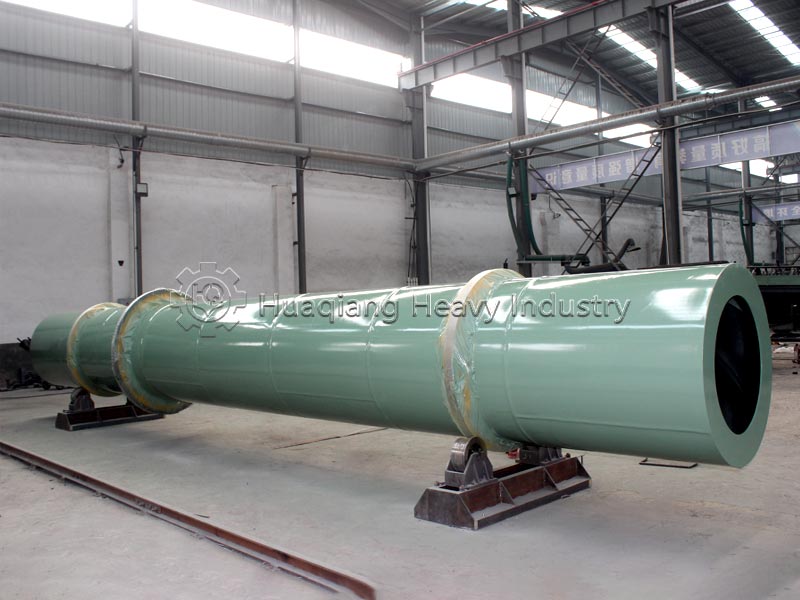
The process parameter control also differs. Processing NPK granules requires strict control of rotation speed and pressure, with a small amount of binder added to ensure proper molding. No drying or only light drying is needed. Processing organic fertilizer, however, requires adjusting the rotation speed and pressure to a lower level due to the high viscosity of the raw materials. Straw powder can be added to adjust viscosity, and a drum fertilizer dryer is necessary to reduce the moisture content of the finished product to below 15%.
The characteristics of the finished products differ significantly. NPK granules have uniform nutrients, high strength, and consistent particle size, emphasizing precise nutrient ratios. Organic fertilizer granules are loose, well-aerated, and contain mild nutrients, emphasizing organic matter retention, with relatively less stringent requirements for granule molding.
In summary, the core difference between the two lies in the characteristics of the raw materials. During processing, the raw material treatment and process parameters must be adjusted accordingly to ensure the quality of both types of fertilizers and avoid production errors caused by inconsistent operations.