
Disc granulation technology for NPK compound fertilizer processing: 4 Key improvement directions
Disc granulation technology is a commonly used process for processing NPK compound fertilizer, but the existing process suffers from problems such as uneven nutrient distribution, low pelleting rate, high energy consumption, and easy pellet agglomeration. Based on practical production experience, the following four improvement directions can effectively optimize processing results and improve finished product quality.
Improve raw material pretreatment, optimize the crushing and mixing process to ensure uniform particle size of nitrogen, phosphorus, and potassium raw materials, and use segmented spraying of binders to avoid uneven local bonding and reduce agglomeration.
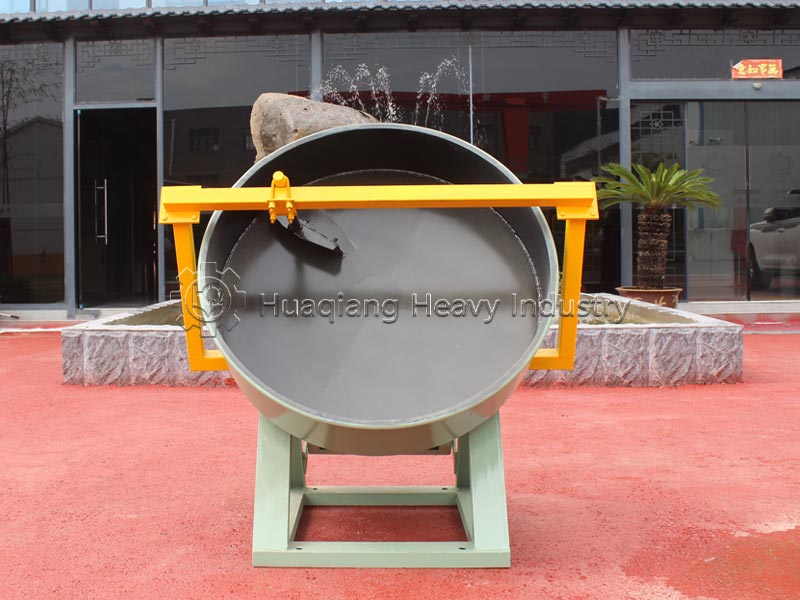
Optimize the operating parameters of the disc granulation process, adopt an adjustable speed and tilt angle control system, dynamically adjust according to the raw material ratio, improve pelleting rate, and reduce defective pellets.
Improve the connection between drying and cooling, optimize the temperature gradient to avoid nutrient loss at high temperatures, add a cooling buffer to reduce pellet agglomeration, and improve finished product stability.
Add a nutrient monitoring device to monitor the nutrient content of the pellets in real time, adjust the raw material ratio in a timely manner, avoid nutrient deviation, and reduce raw material waste.
In summary, the above improvements can effectively address the pain points of NPK compound fertilizer in the disc granulation process, reduce energy consumption and losses, improve production efficiency and finished product quality, and meet the needs of large-scale production.