
BB fertilizer mixers and compaction machines: Two critical quality control stages in the process chain
The BB fertilizer production process centers on physical mixing, where granular nitrogen, phosphorus, and potassium base fertilizers are precisely weighed according to a formula and then directly blended and packaged. Although the process is streamlined, it entails significant quality risks. Differences in particle size and specific gravity among raw materials mean that improper mixer selection can lead to segregation—where lighter particles float to the top and heavier ones sink to the bottom during discharge—potentially causing nutrient deviations exceeding 5%. Furthermore, friction during storage and transport can generate fine dust, compromising both appearance and nutrient release characteristics. These two critical quality control stages are managed by the BB fertilizer mixer and the fertilizer compaction machine, respectively.
The mixer is the core piece of equipment in BB fertilizer production. Since the raw materials are already finished granules, the mixer must strike a balance between achieving thorough blending and avoiding granule damage. Excessive rotational speeds can crush granules and generate fines, while speeds that are too low extend mixing times and reduce efficiency. Specialized BB fertilizer mixers typically employ horizontal ribbon or drum designs, operating at low speeds of 20–40 rpm with a mixing cycle of just 1–2 minutes.
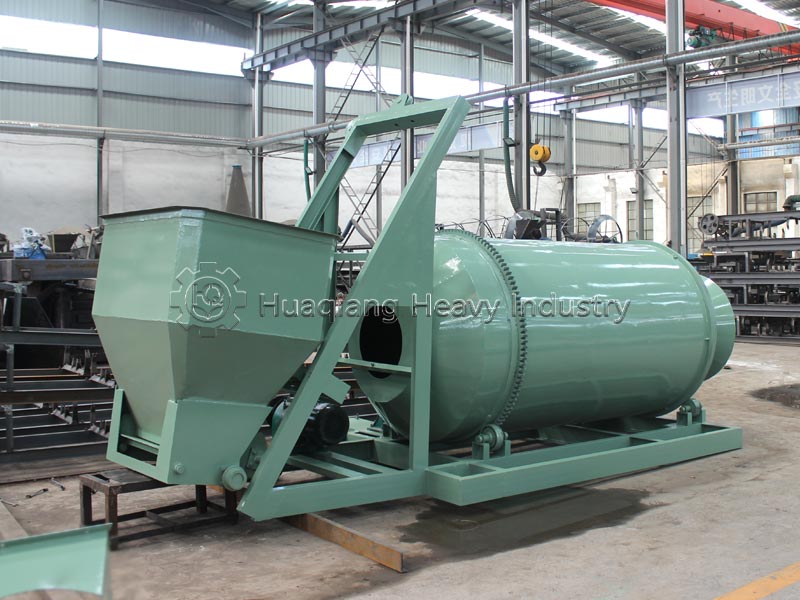
If the mixer ensures “internal uniformity,” the fertilizer compaction machine is responsible for enhancing “external quality.” Loose, mixed granules are prone to pulverization and disintegration during storage and transport. The compaction machine applies gentle physical pressure to the mixture, increasing granule density without compromising nutrient content; this boosts granule strength from under 10 N to 12–20 N, effectively reducing breakage losses during handling and mechanical sowing.
Viewed as a complete process, the mixer guarantees uniform nutrient distribution, while the compaction machine enhances the stability of the granules during storage and transport. When effectively integrated, these two machines prevent product non-compliance caused by nutrient segregation and minimize losses during storage and transit.