
Disc granulation process vs. Double roller press granulation: An analysis of required materials
Disc granulation and double roller press dry granulation are two mainstream processes in NPK fertilizer production lines. One of their core differences lies in the materials required during the granulation process. The type and amount of added materials directly affect the granulation effect and the quality of the finished product.
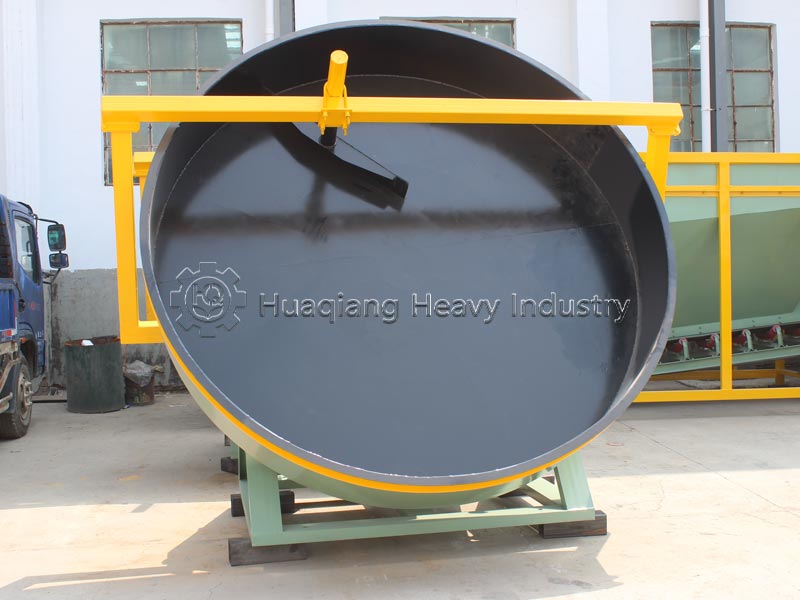
Disc granulation process requires three types of materials: the main material is basic raw materials such as nitrogen, phosphorus, and potassium fertilizers and organic fertilizers, precisely proportioned according to the formula; the core auxiliary material is water, the amount of which needs to be controlled (accounting for 13%-18% of the total raw materials), its function is to activate the viscosity of the raw materials and help them roll into balls; a small amount of binder (such as bentonite) can be added to improve the balling rate and prevent the particles from becoming loose. This method is suitable for raw materials with poor viscosity and does not require the addition of drying-related additives; the material can directly proceed to the drying stage.
The double roller press dry granulation technology requires no water addition. The core additives are: the main material is the same as that used in disc granulation, with nitrogen, phosphorus, potassium, and organic fertilizer added in the required proportions; a small amount of extrusion aid (such as talc) can be added to reduce raw material adhesion to the rollers and improve extrusion efficiency; no binder is needed, as the granules are directly formed under the high pressure of the double roller press granulator. If the raw material has poor flowability, a small amount of inert filler can be added to prevent excessive fine powder from affecting granule quality.
Key principles: Disc granulators must strictly control the amount of water added to avoid excessive clumping or insufficient water for pellet formation; double roller press does not add water, and extrusion aids are added as needed. Both must ensure precise main material proportions and that auxiliary materials/additives do not affect fertilizer nutrients to adapt to different production scenarios.