
Dry or wet method? Process selection and equipment matching for chicken manure granulation
Chicken manure is notoriously difficult to granulate for organic fertilizer production; its high moisture content, high viscosity, and uneven fiber structure frequently frustrate newcomers to the industry. When selecting a chicken manure pellet machine, one must look beyond mere production capacity figures and understand how the dry and wet processing methods handle the material’s specific characteristics.
Dry extrusion granulation—exemplified by the fertilizer roller granulator—forces material through die holes or compresses it into sheets. It requires no added water or hot-air drying, resulting in dense granules and lower investment and operating costs. However, it imposes strict requirements on raw material moisture content, typically necessitating levels below 20%. Even after air-drying, chicken manure often retains 35%–50% moisture; attempting direct extrusion without intensive pre-treatment leads to slippage and plummeting output, or even clogged die holes.
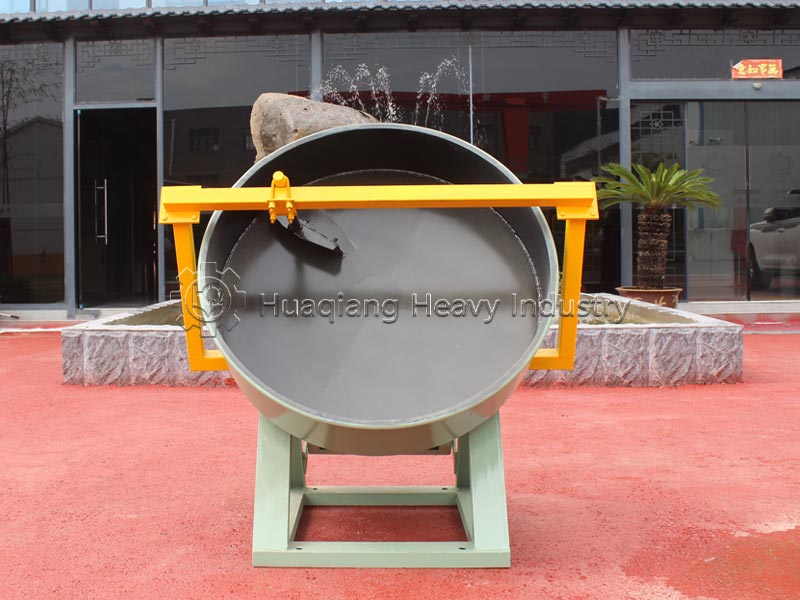
Wet granulation takes a different approach. Disc granulators—a common type of organic fertilizer granulator—allow wet material with 25%–50% moisture content to be formed directly into spherical granules. While the resulting granules are round, the process demands high material fineness. Additionally, wet granulation requires auxiliary drying and cooling equipment, leading to higher total investment and energy consumption.
Regardless of the equipment chosen, moisture content remains the central challenge in chicken manure granulation. The dry method demands low moisture, while the wet method accommodates higher moisture but still requires downstream drying. The key to reducing moisture content lies in the initial fermentation stage.
Regarding equipment selection, given the wide variety of fertilizer granule making machine available, it is advisable to follow the logic of “assess moisture first, then determine the process.” If moisture content can be consistently reduced to below 20%, the dry method offers savings on investment and energy; if moisture remains high and the budget allows, the wet method combined with a drying system can produce spherical granules. Testing moisture levels, examining fiber content, and defining capacity requirements before selecting a machine is far more important than simply asking for price quotes.