
(FAQ)What are the environmental benefits of dry extrusion granulation technology in compound fertilizer production?
Traditional wet granulation requires the addition of water or steam, necessitating a subsequent drying system. Reducing granule moisture content to standard levels consumes more than half of the production line’s total energy and generates exhaust emissions. Double roller press dry granulation technology operates quite differently. Materials are formed through direct high-pressure compression between two rolls at ambient temperature; the process requires no added water and, consequently, no drying stage. This eliminates the need for dryers, hot-blast stoves, and associated dust removal equipment, significantly reducing investment costs for the production line.
The environmental benefits are equally significant. The dry process involves no fuel combustion or exhaust emissions. It requires no binders, resulting in higher product purity. The granules possess high strength and resist breakage, thereby substantially reducing dust pollution during transport and application. For fertilizer companies concerned about their carbon footprint, this offers a tangible pathway to emission reduction.
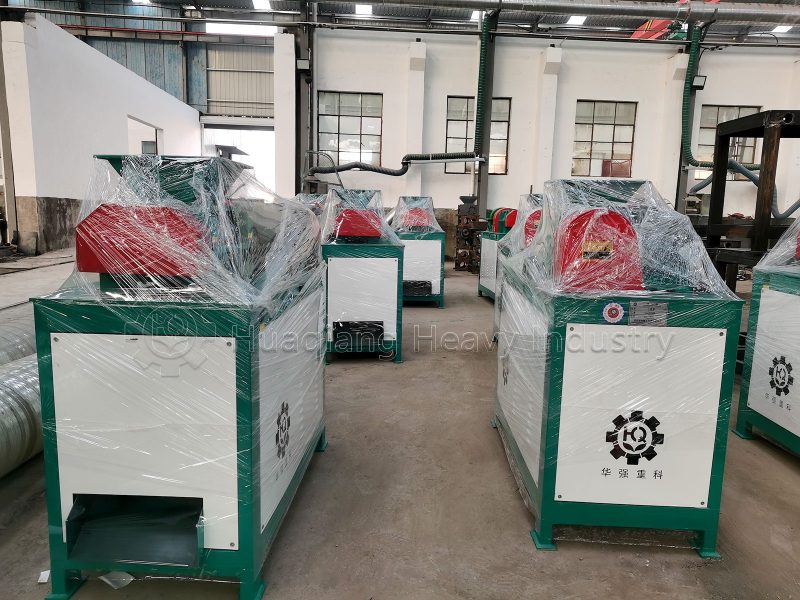
The adaptability of dry extrusion to various raw materials is also expanding. While historically used primarily for high-concentration inorganic formulas, advancements in roll surface materials and hydraulic control technology now allow for the stable granulation of compound fertilizers containing organic matter or secondary and trace elements. Switching formulas requires only adjustments to mixing ratios and roll pressure parameters, offering far greater flexibility than wet granulation lines.
Admittedly, the process imposes specific requirements regarding material moisture and fineness, and granule sphericity does not match that of drum or tower granulation processes. However, as energy conservation and environmental protection become strict industry mandates, more producers are accepting these trade-offs. The rise of dry extrusion represents a fundamental shift in the logic of compound fertilizer production—moving away from a reliance on thermal energy and moisture toward a reliance on mechanical pressure and precise control.